
Buzzing Sound From an Outlet, Switch, or Panel? Why You Shouldn't Ignore It
October 21, 2026
QUICK ANSWER: A buzz coming from an outlet, switch, or electrical panel usually means electricity is not moving cleanly through something. The cause can be a loose wire connection, a worn receptacle, an overloaded circuit, a dimmer working past its limit, or a breaker that is failing to hold tight. A faint hum from a dimmer or a small power adapter can be ordinary, but a buzz that comes from a standard outlet or from the panel is not. Stop using the device, shut off its circuit if you can identify it, and have a licensed electrician find the source before it gets worse.
You are sitting in the living room on a quiet evening when you notice it. A low, steady buzz, the kind you only hear when the television is off. You walk around and follow the sound to a wall outlet beside the couch. Or maybe it is the light switch in the hallway that sounds like a trapped insect every time the lights are on. Or you were in the garage grabbing something and heard a faint electrical hum from the panel.
Most people do what feels reasonable. They listen for a minute, decide it probably is nothing, and go back to what they were doing. The noise gets filed away as one of those things a house does.
Electrical equipment in a healthy home is supposed to be silent in the places where you plug things in and flip switches. When one of those spots starts making noise, something is vibrating, arcing, or straining that was not before. The sound is the symptom you can hear, and it is worth understanding what it is pointing at.
Why Electrical Parts Buzz in the First Place
Household power in the United States is alternating current, which reverses direction sixty times every second. That reversal is normal, and it creates tiny magnetic forces in anything carrying current. In a well made device with tight connections and solid components, those forces are held in place and you hear nothing at all.
A buzz appears when something is loose enough to move. A wire tightened poorly under a terminal screw can vibrate in step with the current. Two metal surfaces that are not pressed together firmly can chatter against each other. A small gap that current has to jump can produce a rapid series of tiny sparks, which sounds like buzzing or frying. In every one of these cases, the physical problem is the same: the electrical path has a weak point, and weak points create resistance and heat.
That is why a buzz deserves attention even when nothing looks wrong. You cannot see a loose terminal screw behind a faceplate, and you cannot see a hot spot inside a wall. The sound is often the only early warning you get.
A Buzzing Outlet
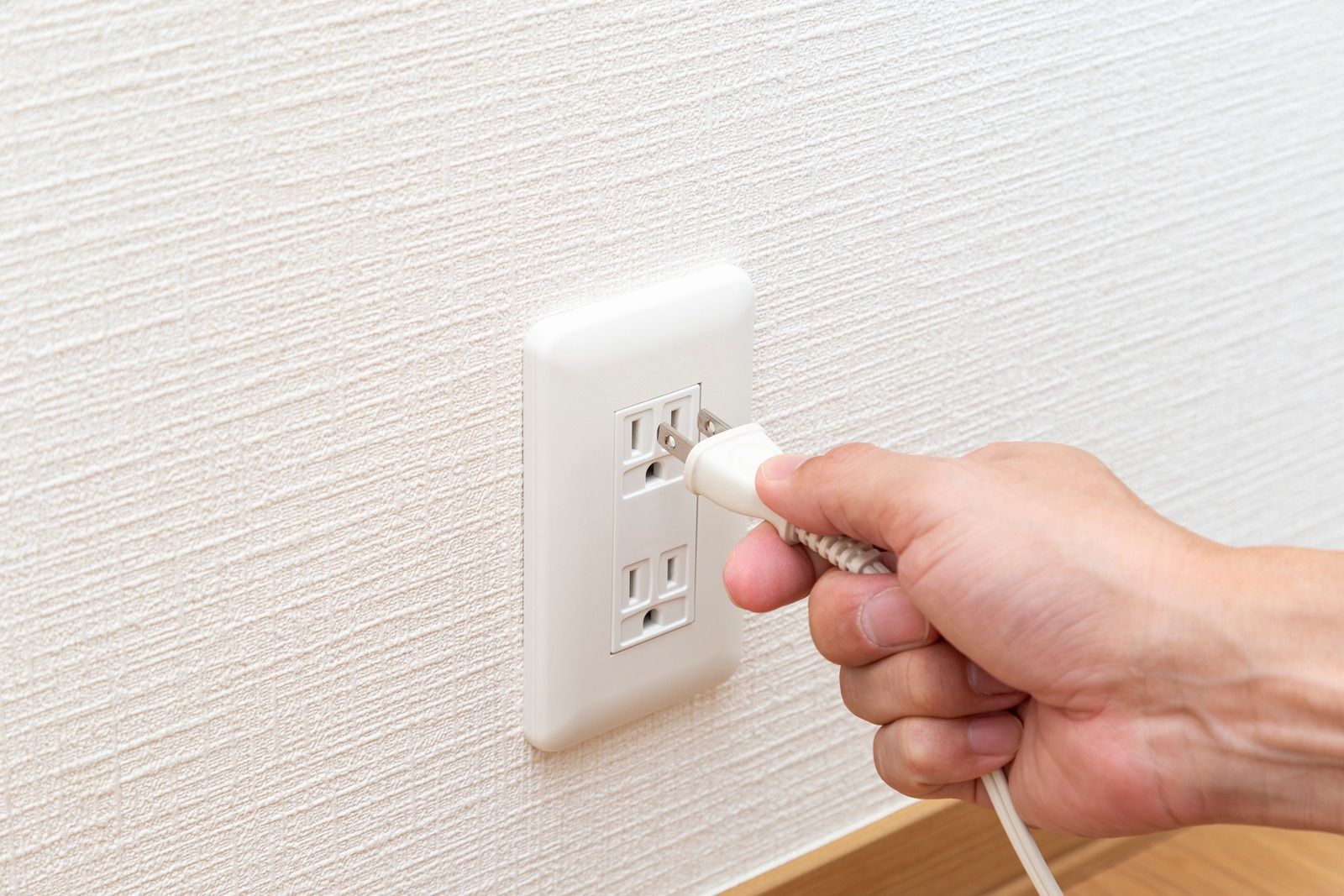
An outlet should never make noise on its own. If you hear buzzing from a receptacle with nothing plugged in, the cause is almost always inside the wall box. The wires may have loosened from their terminals over time, or the receptacle may have been installed with push in connections on the back that have lost their grip. Older receptacles also lose tension in the metal contacts that grip a plug, and that wear allows tiny arcs to form.
If the buzz only starts when you plug something in, the load itself may be part of the story. A device that draws a lot of power on a worn receptacle can make a marginal connection start to sing. In Utah County homes built in the 1970s and 1980s, it is common to find original receptacles that have been used for decades and are simply tired. In newer homes, a buzz can point to a connection that was never fully tightened during construction.
TIP: Note when the sound happens. Is it constant, only with a certain device plugged in, or only when a heavy appliance in the house starts up? That pattern helps an electrician narrow the cause quickly, and it is useful to have before anyone opens the box.
A buzzing outlet that also feels warm, smells faintly of hot plastic, or shows browning around the slots has moved past nuisance. Treat that as an active problem and stop using it.
A Buzzing Light Switch or Dimmer
Switches are a little more nuanced, because not every sound from a switch means the same thing.
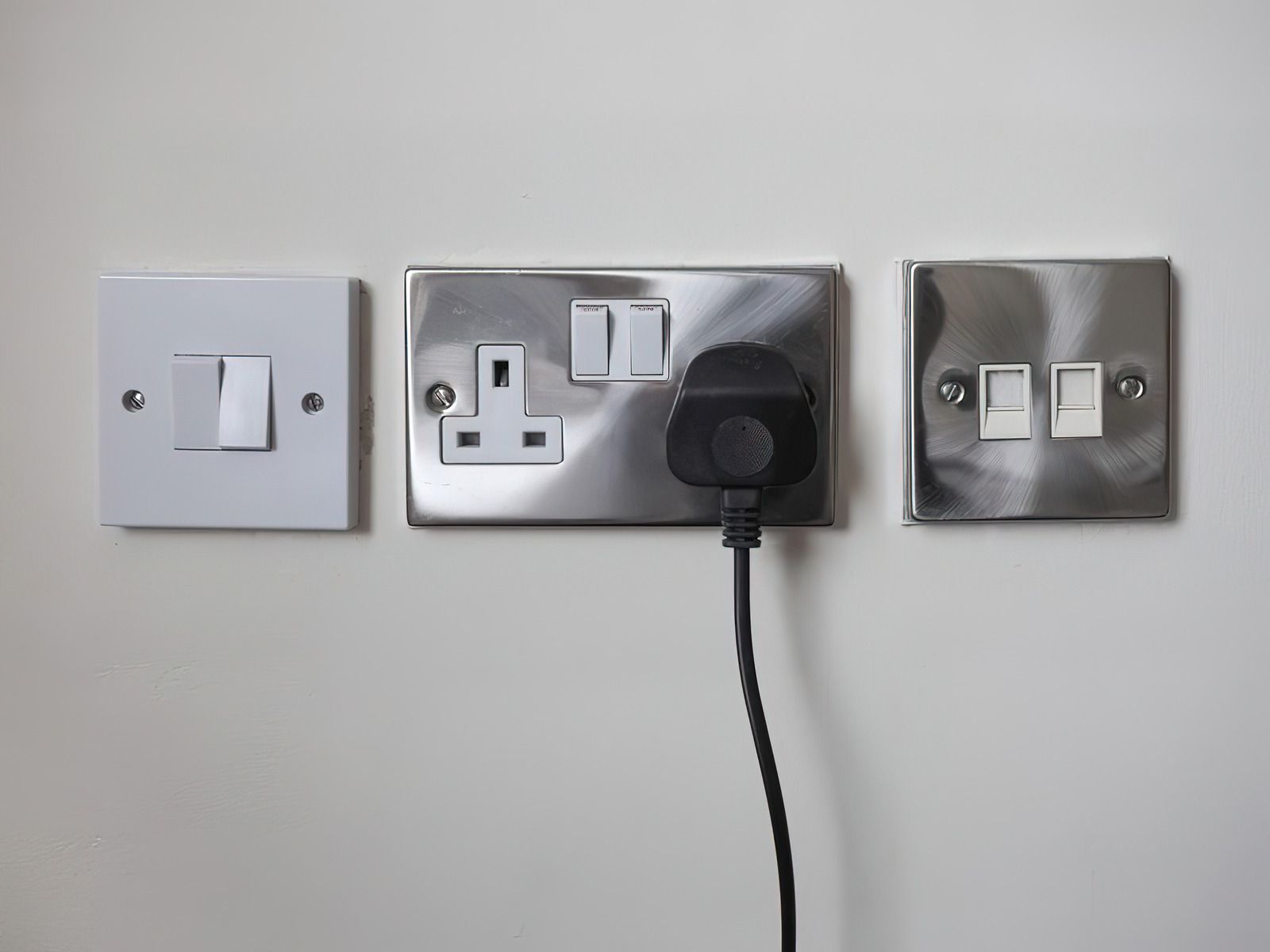
Standard toggle switches should be silent. A buzz or a crackle when you flip one, or a steady buzz while the light is on, points to a loose connection inside the switch box or a switch whose internal contacts have worn. Switches carry the full load of the fixture they control, so a weak connection has real current passing through it.
Dimmers are different. Many dimmers work by chopping up the power waveform very quickly, and that process can create a mild hum, especially with certain bulbs or when several fixtures are on one dimmer. A faint hum from a dimmer is often tied to the bulb type, the load being near the dimmer's minimum or maximum, or the dimmer being rated lower than the fixtures it controls. Even so, a dimmer that buzzes loudly, feels warm, or buzzes after you replace the bulbs deserves a look, because heat inside a switch box is a warning of its own.
If you have a switch that is also warm to the touch, that is covered in more detail in a separate topic, but the short version is that heat plus noise is a reason to stop and have it checked.
A Buzzing Electrical Panel
The panel is where most homeowners feel the most uneasy about a noise, and that instinct is sound. Your panel is the point where all the power in the house is divided up and sent out to the circuits, so anything strange there affects a large part of the home.
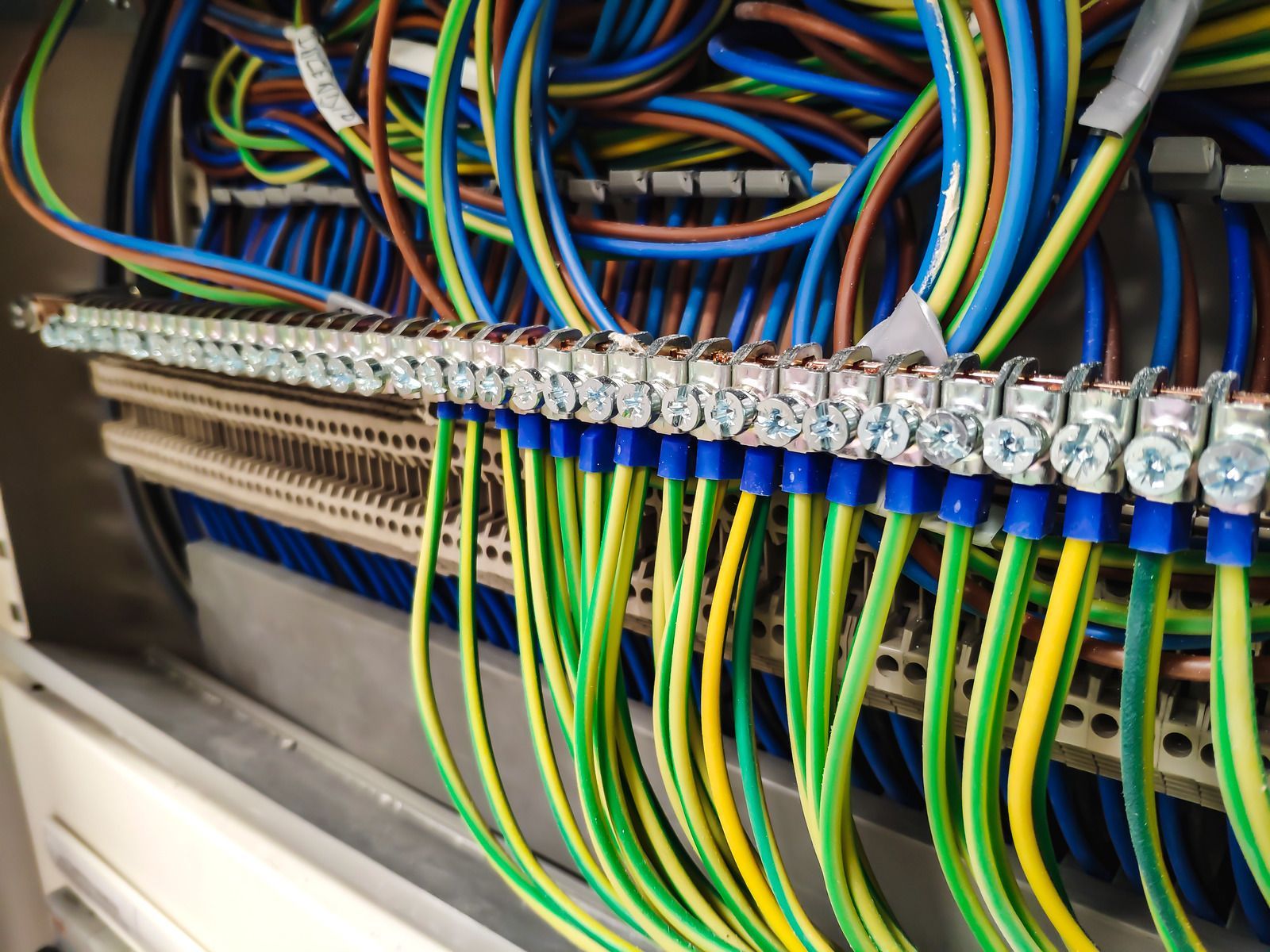
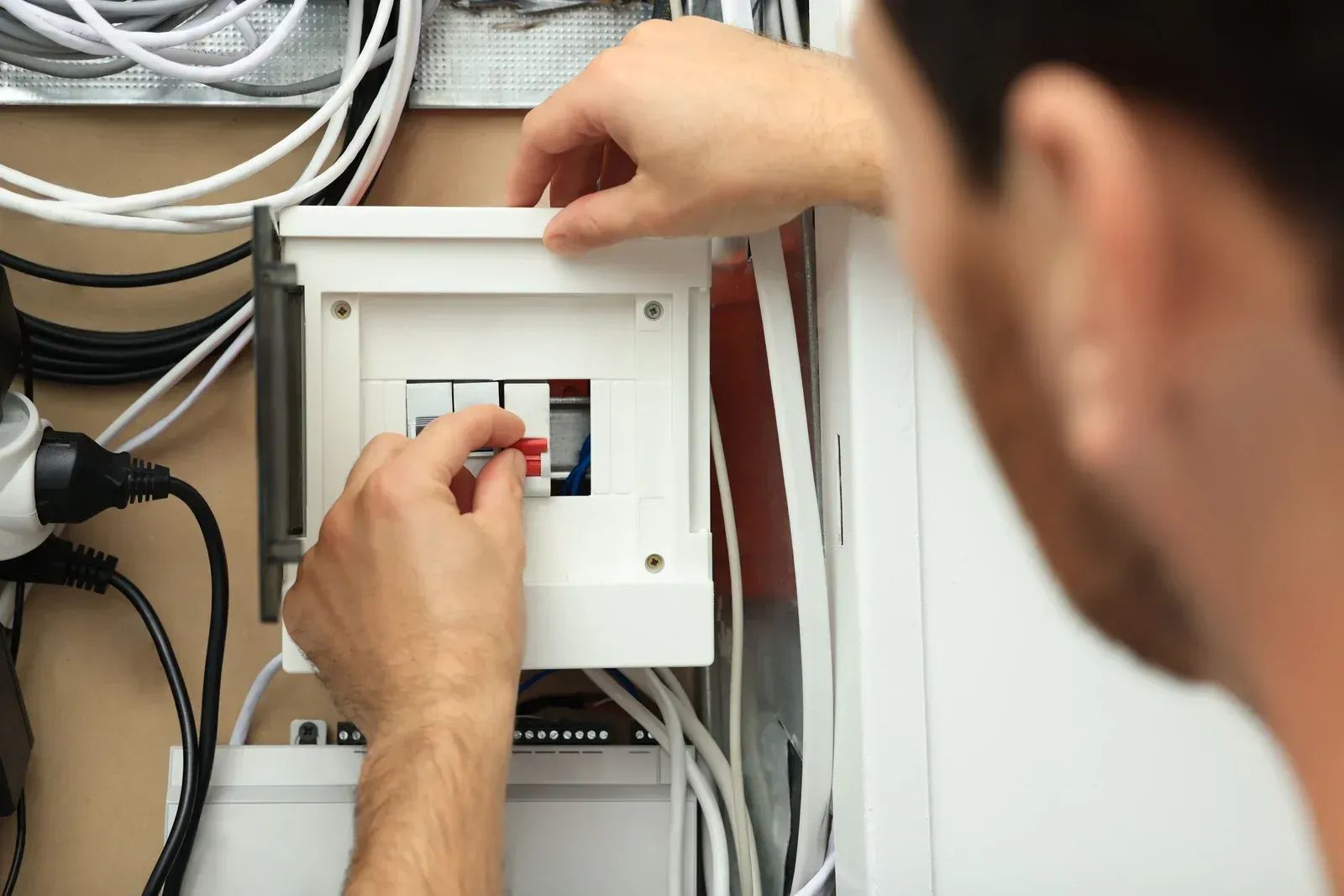
Some quiet electrical hum from a panel can occur under heavy load, and a very faint sound is not automatically a failure. A distinct buzzing, crackling, or sizzling is a different matter. Common causes include a breaker that is not seated firmly on the bus bar, a loose wire at a breaker terminal, a breaker that is wearing out internally, or a circuit that is carrying more than it should. Over time, any of these can overheat the metal parts around them.
Utah County has plenty of homes with panels that are two or three decades old, and many were designed before the demands of modern households. Space heaters in the winter, air conditioners in the long dry summers, and now electric vehicle chargers in the garage all push more current through that equipment than it may have been designed to handle comfortably. If the sound grows louder when the air conditioner kicks on or when the dryer is running, load is likely part of the picture.
WARNING: Never remove the panel cover to look for the source of a buzz. The bus bars and the main lugs inside stay energized even when individual breakers are off, and the risk of serious injury is real. Leave the cover on and call an electrician.
Sounds That Can Be Normal and Sounds That Cannot
It helps to know where the line usually sits, so you can judge what you are hearing.
A very light hum from a dimmer, a doorbell chime unit, or a low voltage lighting power supply can be an ordinary part of how those devices work. A faint hum near a large appliance when it starts can also be normal.
Sounds that are not normal include a buzz from a plain outlet or standard switch, a crackle or a snap when you plug something in, a sizzling or frying noise anywhere in the system, a buzz that gets louder over days or weeks, and any noise paired with warmth, a burnt smell, flickering lights, or discoloration. Any one of those means a connection is failing, and a failing connection does not repair itself.
What Happens If a Buzz Is Left Alone
A loose connection creates resistance, and resistance turns electricity into heat. The heat softens plastic, dries out insulation, and oxidizes the metal at the connection, which makes the connection even looser. The result is a slow feedback loop. It may take a long time, or it may take a short time, and there is no way to see from the outside which one you have.
In the worst case, the connection arcs, and arcing at an outlet, switch, or breaker can ignite the materials around it. Dry winters in this part of Utah, when homes are sealed up tight and heated constantly, make any ignition source more serious. Even when it never reaches that point, a developing fault often shows up first as other symptoms: flickering lights, a breaker that trips for no obvious reason, or devices that behave oddly when plugged into a particular outlet.
What You Can Safely Do Before the Electrician Arrives
There is a short list of things that are reasonable and safe for a homeowner.
Stop using the outlet or switch that is making the noise. Unplug anything connected to a buzzing outlet, using the back of your hand to feel for warmth near the faceplate before you touch the plug. If you can identify which breaker serves that location, switch it off. If you are not certain, leave the panel alone and do not guess.
Write down what you have noticed. When does it buzz, how loud is it, does it change when other things in the house turn on, and have the lights flickered at the same time? Mention any recent changes at home too, such as a new appliance, a charger, or work that someone else did.
If you hear buzzing from the panel itself, or smell burning anywhere near an outlet, switch, or panel, treat it as urgent. Keep people and pets away from the area and have it examined without delay.
What you should avoid is opening the box yourself, tightening screws on a live circuit, or replacing a receptacle without shutting off the power at the breaker and confirming it is dead with a tester. A buzz means the circuit is already stressed, and it is the wrong time to improvise.
What an Electrician Looks For
A proper diagnosis does not start by swapping parts. It starts by finding exactly where the noise is coming from and what is happening to the circuit at that point. An electrician will check the connections at the receptacle or switch, look at the condition of the wire insulation, test the circuit under load, and examine the breaker that feeds it. At the panel, that means checking how each breaker is seated, how tight each terminal is, and whether any part shows signs of heat damage.
Often the fix is small. A loose terminal gets tightened, a worn receptacle is replaced with a new one, or a dimmer is matched to the fixtures it controls. Sometimes the buzz is an early sign of a larger issue, such as a circuit that has too many things on it or a breaker that has reached the end of its life, and catching it at this stage keeps the repair small.
Frequently Asked Questions
Why is my outlet buzzing when nothing is plugged into it?
A receptacle with nothing connected should be silent. A buzz in that situation usually means a loose wire connection or worn internal contacts inside the wall box. Stop using the outlet and have it inspected right away.
Is it normal for a dimmer switch to hum?
A faint hum can be normal, depending on the bulbs and load. A loud buzz, a warm dimmer, or a hum that is new after changing bulbs suggests it is mismatched to the load or wearing out.
Should I be worried if my electrical panel makes a noise?
Yes, if the noise is a distinct buzz, crackle, or sizzle. A faint hum under heavy load is sometimes ordinary, but sounds that are clearly electrical and new need an electrician. Do not open the panel cover yourself.
Can a buzzing sound mean a fire risk?
It can. A loose or arcing connection creates heat, and that heat can damage insulation and nearby materials. Because you cannot see inside the wall or panel, it is safest to treat any buzz as a real warning.
Why does the buzzing get louder when the air conditioner or dryer runs?
Larger appliances draw more current, which puts more strain on any weak connection or overloaded circuit. Noise that rises with the load often points to a loose terminal, a stressed breaker, or a circuit carrying too much.
Can I just tighten the screws myself?
That is not a good idea. Working inside a box with live wires carries shock risk, and a loosened connection often has heat damage you cannot see. An electrician can tighten, test, and replace parts safely.
A Buzz Caught Early Stays a Small Repair
A buzz you can hear is a problem you can still catch while it is small. Electrical parts in a healthy home stay silent where you plug things in and flip switches, so when one of those spots starts to hum, crackle, or sizzle, something has worked loose or begun to strain. Following the sound to its source, setting the device aside, and shutting off the circuit when you can identify it are the steady first moves before anyone opens a box.
The difference between a
quick fix and a wall repair
often comes down to how long the noise was left alone, since a weak connection only grows warmer and looser with time. For 10
years, Mint Electric
has traced these sounds across Mapleton, UT back to the exact loose terminal, worn receptacle, or tired breaker behind them. A faint hum from a dimmer may be ordinary, but a buzz from a plain outlet or the panel is the kind of early warning worth listening to.