
5 Common Wiring Problems That Can Threaten Your Home’s Safety
May 4, 2026
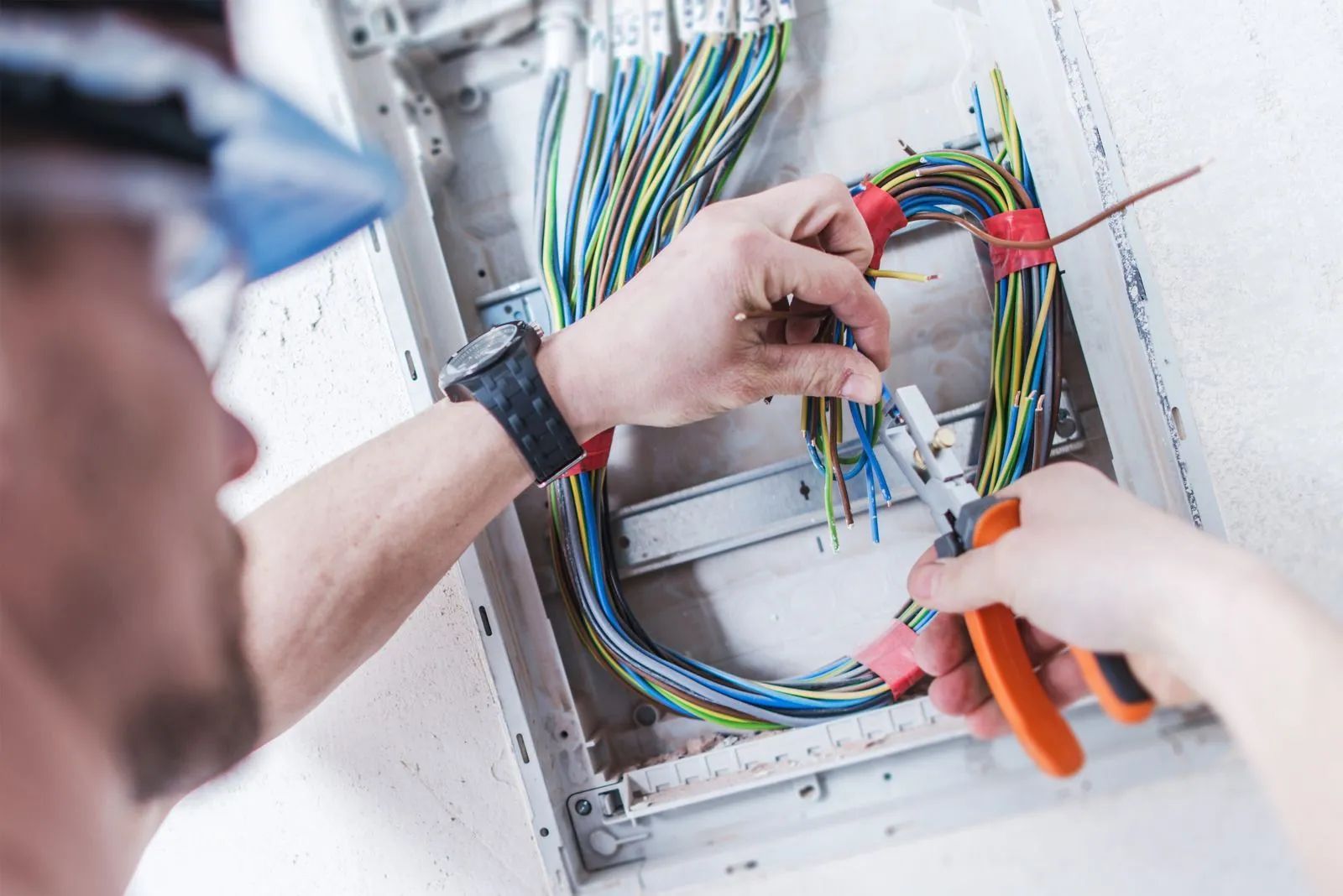
Electrical wiring is the backbone of any modern home, powering everything from lighting and appliances to heating and security systems. While most homeowners rarely think about the condition of their wiring, neglected or faulty electrical systems can pose significant safety hazards. Understanding the common wiring problems that compromise a home’s safety is essential for preventing fire hazards, electrical shocks, and costly repairs. Early recognition and corrective action not only protect physical property but also safeguard the well-being of occupants. A proactive approach to electrical maintenance can extend the lifespan of appliances, improve energy efficiency, and ensure uninterrupted power supply. Neglecting electrical issues can also lead to unexpected outages, costly emergency repairs, and reduced property value. By staying informed, homeowners can make timely upgrades that keep both the home and family safe.
Over time, electrical wiring experiences wear and tear due to aging, environmental factors, and overuse. Outdated installations, DIY modifications, and undetected damage can create invisible risks that grow worse if ignored. Recognizing the signs of potential electrical failures allows homeowners to address issues before they escalate into emergencies. This guide explores five common wiring problems that threaten home safety, providing actionable insights, practical examples, and expert-recommended best practices. From frayed wires to overloaded circuits, understanding these hazards equips homeowners with the knowledge needed to maintain a safe, reliable electrical system. Regular inspections, proper load management, and adherence to safety codes can prevent minor issues from becoming severe hazards. Staying proactive with electrical safety ensures peace of mind and a more energy-efficient, resilient home environment.
1. Frayed or Damaged Wiring
Causes of Wire Damage
Frayed or damaged wiring is often the result of physical stress, accidental cuts, rodent activity, or prolonged exposure to moisture. Insulation can crack over time, leaving copper or aluminum conductors exposed. Environmental factors such as high humidity, temperature fluctuations, and pest infestations accelerate deterioration, weakening the protective coating of wires.
Risks Associated With Damaged Wires
Exposed wiring significantly increases the risk of electric shock and fire. A frayed wire in contact with combustible materials can ignite sparks, leading to potentially devastating house fires. Even minor insulation cracks can create pathways for current leakage, resulting in malfunctioning devices or frequent circuit breaker trips.
Detection and Best Practices
Regular inspection is critical for detecting frayed wires. Signs include buzzing sounds, flickering lights, discoloration around outlets, and scorch marks. Preventive measures involve using high-quality insulated wires, avoiding overloading circuits, and securing wires away from high-traffic areas. Consulting a licensed electrician for repairs ensures that damaged wiring is replaced safely and effectively.
Real-World Example
In older homes, frayed wiring behind walls is a common issue. For instance, a home built in the 1970s might still use outdated non-metallic sheathed cables with brittle insulation. Upgrading these wires reduces fire risk and improves overall electrical performance.
2. Overloaded Circuits
Understanding Circuit Overload
Circuit overload occurs when the electrical demand on a circuit exceeds its designed capacity. Common causes include excessive appliance usage, improperly calculated electrical load, and multiple high-wattage devices running simultaneously on a single circuit. Overloaded circuits generate heat, placing undue stress on wiring and breakers.
Dangers of Overload
Persistent circuit overload can lead to tripped breakers, melted wiring, and even house fires. The excessive heat weakens insulation and can cause conductors to sag or fuse together. Additionally, frequent power interruptions and flickering lights are early warning signs that should never be ignored.
Prevention and Solutions
Balancing electrical loads across multiple circuits and upgrading circuit breakers are effective preventive measures. Installing dedicated circuits for high-wattage appliances, such as ovens or HVAC units, prevents excessive current on a single line. Using smart power strips and surge protectors can also help mitigate localized overloads.
Scenario Example
In modern homes with multiple electronic devices, overloaded circuits are a recurring problem. A family running a refrigerator, air conditioner, and entertainment system on the same line might unknowingly overload the circuit. Identifying and redistributing power usage significantly reduces risk.
3. Outdated or Improper Wiring
Common Types of Obsolete Wiring
Homes built decades ago often use wiring types no longer considered safe. Knob-and-tube, aluminum wiring, and early plastic-sheathed copper cables are prone to deterioration. Aluminum wiring, in particular, expands and contracts with temperature changes, loosening connections over time.
Risks of Old or Improper Wiring
Outdated wiring increases the risk of overheating, arcing, and fire. Connections may corrode or become loose, creating intermittent power loss and potential sparks. Improperly installed wiring, including DIY modifications without adherence to code, exacerbates safety hazards.
Upgrade and Safety Recommendations
Replacing outdated wiring with modern, code-compliant materials is the most reliable solution. Periodic electrical inspections by qualified professionals identify noncompliant wiring before it causes issues. Installing arc-fault circuit interrupters (AFCIs) further protects against dangerous electrical arcs that can ignite fires.
Example from Practice
A homeowner renovating a 1950s property discovered aluminum branch wiring connected to outdated circuit panels. Upgrading to copper wiring and modern circuit breakers improved safety, reduced energy loss, and prevented future hazards.
4. Loose or Corroded Connections
Why Connections Fail
Connections can loosen over time due to vibration, repeated stress, or thermal cycling. Corrosion caused by moisture or chemical exposure further deteriorates connections at outlets, switches, and junction boxes. Poorly secured wires create resistance, generating heat at the connection point.
Safety Implications
Loose or corroded connections can lead to arcing, which produces intense heat capable of igniting surrounding materials. Intermittent power loss, buzzing sounds, and warm outlet covers are common warning signs. Such issues often go unnoticed until significant damage occurs.
Inspection and Maintenance
Regular checks of outlets, switches, and panels help identify loose or corroded connections early. Tightening screws, cleaning contacts, and replacing corroded components maintain safe, efficient power flow. Using corrosion-resistant connectors in high-moisture areas, such as basements or kitchens, prevents long-term damage.
Practical Scenario
In coastal homes, high humidity accelerates corrosion in electrical panels. Routine inspections reveal minor rust on terminals before it affects circuit performance, allowing corrective measures without emergency repairs.
5. Faulty Grounding
Role of Grounding in Home Safety
Proper grounding directs stray electrical currents safely into the earth, preventing shocks, fires, and damage to appliances. A grounded system stabilizes voltage fluctuations and ensures protective devices, such as circuit breakers and surge protectors, operate correctly.
Consequences of Poor Grounding
Inadequate or missing grounding significantly increases the risk of electrical shock and appliance damage. Metal plumbing, light fixtures, and appliances may become energized, creating hazards for occupants. Grounding issues often cause sensitive electronics to fail and make homes more vulnerable to lightning strikes or power surges.
Best Practices for Effective Grounding
Grounding systems should be installed according to code, with connections verified during routine inspections. Upgrading grounding rods, bonding metal components, and installing surge protection devices reduce potential hazards. Testing outlets with a ground fault tester ensures compliance and safety.
Real-World Example
Older homes may lack modern grounding methods, particularly in kitchen and bathroom circuits. Correcting grounding deficiencies by adding dedicated ground wires improves safety and protects high-value electronics from damage due to stray currents.
Additional Preventive Measures for Wiring Safety
Regular Inspections
Scheduling professional inspections at least once every few years helps identify hidden issues before they escalate. Inspections include visual checks, voltage testing, and evaluating circuit capacity to meet modern household demands.
Avoiding DIY Electrical Work
Improper DIY electrical work is a common cause of hazards. Only certified electricians should handle wiring modifications, replacements, or upgrades to ensure compliance with safety codes and industry standards.
Upgrading Electrical Panels
Modern electrical panels accommodate higher loads safely and include advanced safety features, such as AFCIs and surge protection. Upgrading panels reduces the risk of overloads, loose connections, and outdated wiring issues.
Educating Homeowners
Awareness of warning signs, proper usage of appliances, and safe electrical practices minimizes risk. Homeowners should understand how to identify flickering lights, tripped breakers, warm outlets, or buzzing sounds as potential indicators of wiring problems.
Routine Maintenance Schedule
Creating a maintenance schedule for checking outlets, breakers, and visible wiring ensures minor problems are addressed promptly. Combining professional inspections with homeowner vigilance significantly reduces safety risks.
Trusted Experts Sharing Insights on Wiring Safety
Electrical wiring issues are among the most common threats to home safety, often developing silently until they pose serious hazards. Frayed wires, overloaded circuits, outdated wiring, loose connections, and poor grounding each present unique risks that can result in fires, electrical shocks, or appliance damage. Recognizing warning signs, implementing preventive measures, and maintaining professional oversight are critical steps in ensuring a safe and reliable electrical system.
At Mint Electric, Mapleton, UT, with 10
years of experience, expertise in residential electrical safety is a core focus. Understanding the nuances of wiring problems allows providing thorough inspections, safe repairs, and long-term solutions that protect homes and families. Committed to quality and reliability, the approach combines modern technology, industry best practices, and personalized attention. Choosing professional electrical services ensures not only compliance and safety but also peace of mind, knowing that every system operates efficiently and securely. Mint Electric
stands as a trusted authority for maintaining the safety and integrity of your home’s electrical infrastructure.