
How Electrical Panel Capacity Impacts Home Safety & Appliance Performance?
February 4, 2026
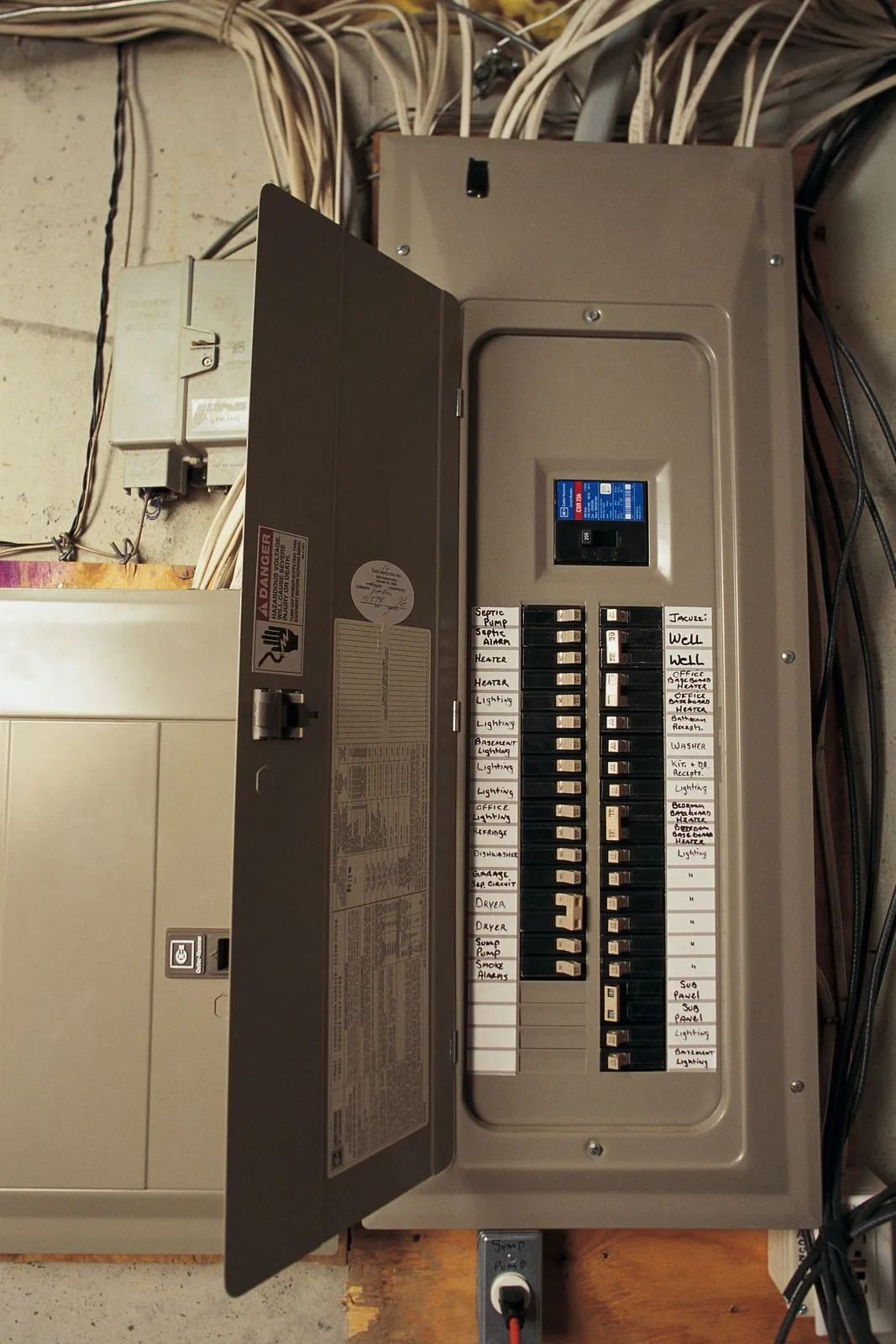
Modern homes depend on electricity more than ever before, powering everything from essential lighting and climate control to advanced appliances and smart home systems. At the center of this electrical ecosystem sits the electrical panel, a component that quietly manages how power is distributed throughout the property. Despite its critical role, electrical panel capacity is often overlooked by homeowners until problems arise, such as frequent breaker trips, flickering lights, or underperforming appliances. Understanding how panel capacity influences overall home safety and functionality is essential for making informed electrical decisions. When the panel cannot keep up with demand, even routine activities can place stress on the system. Over time, this strain may reduce reliability and increase the likelihood of unexpected electrical issues. Proactive awareness helps homeowners address potential limitations before they escalate into costly or dangerous problems.
As electrical demands increase, outdated or undersized panels can become a serious liability. Insufficient capacity does not just affect convenience; it directly impacts safety, energy efficiency, and long-term appliance performance. Homes built decades ago were not designed to support today’s electrical loads, making panel capacity a growing concern across residential properties. Modern lifestyles introduce higher energy usage through electronics, heating and cooling systems, and electric vehicles. Without proper capacity, electrical systems operate under constant stress. By exploring how electrical panel capacity works, the risks of inadequate systems, and the benefits of proper sizing, homeowners can better protect their investments while ensuring consistent and reliable power delivery throughout their living spaces.
What Electrical Panel Capacity Means
Electrical panel capacity describes the maximum electrical current a home’s panel can safely distribute, measured in amperes under normal operating conditions. Most residential properties rely on panels rated between one hundred and two hundred amps, while larger homes or high demand properties may require higher ratings. The panel serves as the central hub, channeling electricity from the utility supply to individual circuits throughout the structure. When panel capacity correctly matches household demand, power flows remain stable, efficient, and safe, supporting everyday appliance use, lighting needs, and modern residential electrical systems without unnecessary strain during typical usage patterns across changing household routines.
How Capacity Is Determined
Electrical panel capacity is determined by factors such as home size, total square footage, circuit quantity, appliance load, and mechanical systems operating simultaneously. High demand equipment, including electric ranges, heat pumps, HVAC units, and electric vehicle chargers, significantly increases amperage needs during peak usage. Although electrical codes establish minimum standards, real household demand often grows beyond original design assumptions over time. This commonly occurs in older homes that have undergone renovations or added modern technologies, gradually pushing existing panels beyond their intended safe operating limits without homeowners realizing the strain developing behind walls until problems become noticeable during daily electrical use.
Overloaded Circuits and Fire Hazards
Inadequate electrical panel capacity raises the risk of overloaded circuits, occurring when demand exceeds safe limits for extended periods. Overloads create excessive heat within wiring, breakers, and connections, increasing the likelihood of hidden electrical fires. Circuit breakers are designed to interrupt power during overload events, yet frequent tripping stresses components over time. Repeated overheating degrades insulation, weakens conductors, and reduces system reliability. As damage accumulates silently inside walls and junction boxes, the probability of sudden electrical failure or fire increases without obvious early warning signs, placing occupants, property, and surrounding structures at significant long term risk during normal household electrical usage.
Aging Panels and Safety Concerns
Older electrical panels were not designed to support modern electrical loads or incorporate current safety technologies required by updated codes. Many lack ground fault circuit interrupters or arc fault protection, increasing shock and fire risks. When aging components combine with insufficient capacity, overall system safety and performance decline significantly. In severe situations, outdated panels may fail to disconnect power during faults, allowing dangerous conditions to persist unnoticed. These hidden failures elevate the risk of extensive property damage, costly repairs, and serious personal injury within the home, especially during high demand periods or unexpected electrical surges caused by storms or equipment malfunctions.
Power Fluctuations and Efficiency Loss
Modern appliances rely on consistent voltage to operate efficiently and safely under normal conditions. An undersized electrical panel can cause frequent voltage fluctuations, leading to erratic appliance behavior and reduced reliability. Sensitive components such as motors, compressors, and electronic control boards are particularly vulnerable to unstable power delivery. Over time, irregular voltage forces equipment to work harder than designed, increasing energy consumption, lowering efficiency, and accelerating mechanical and electrical wear across household systems. This ongoing stress quietly undermines performance expectations and raises long term operating costs while increasing the likelihood of inconvenient breakdowns and service interruptions throughout daily residential appliance use.
Premature Appliance Failure
Continuous electrical stress from inadequate panel capacity can significantly shorten appliance lifespan throughout a home. Systems such as refrigerators, washing machines, and HVAC equipment may experience unexpected shutdowns, damaged components, or recurring service issues. These problems often require costly repairs or early replacement well before normal life expectancy. In many situations, the combined expense of repeated appliance failures exceeds the cost of upgrading the electrical panel, making capacity improvements a proactive and financially sound investment for long term household reliability while also reducing frustration associated with frequent malfunctions and emergency service calls that disrupt daily routines and comfort within busy households.
Common Warning Indicators
Several warning signs suggest an electrical panel may be operating beyond its safe capacity. Frequent breaker trips, flickering or dimming lights, buzzing sounds, burning odors, or warm breakers indicate excessive internal strain. These symptoms signal that circuits are struggling to meet demand and should never be ignored. Continued operation under such conditions raises safety risks and increases the likelihood of sudden system failure. Prompt professional evaluation helps identify underlying issues early and prevents potentially dangerous electrical emergencies that could otherwise cause injuries, property damage, or extended power loss during periods of heavy household electrical usage or unexpected equipment startup conditions indoors.
Lifestyle Changes That Increase Demand
Household electrical demand often grows as lifestyles change and new technologies are adopted. Renovations, additional appliances, home offices, or expanded living spaces can quickly overwhelm panels designed for earlier needs. Even homes that previously operated smoothly may struggle when usage increases unexpectedly. Electric vehicle chargers, smart home systems, and upgraded HVAC equipment place substantial strain on older panels. Reassessing electrical capacity after major lifestyle or technology changes helps maintain safety, reliability, and consistent performance while ensuring future upgrades integrate smoothly without costly electrical limitations that could restrict comfort, convenience, or long term energy efficiency for growing families and evolving households nationwide.
Professional Load Assessments
A professional electrical load assessment analyzes current usage and anticipated future demand to determine appropriate panel capacity. This evaluation considers appliance ratings, circuit distribution, mechanical systems, and applicable electrical codes. Accurate load calculations prevent undersizing while ensuring compliance with safety standards. By reflecting realistic usage patterns, professional assessments provide clear guidance for necessary upgrades. This proactive approach reduces overload risks, supports long term system stability, and gives homeowners confidence that their electrical infrastructure can safely handle daily and future demands without unexpected interruptions, hazardous conditions, or frequent breaker related problems as household technology and power needs continue expanding over time responsibly.
Strategic Upgrades for Long-Term Safety
Upgrading to a higher capacity electrical panel delivers long term benefits for safety, efficiency, and property value. A properly sized panel supports modern appliances, minimizes overload risks, and allows room for future expansion. Code compliant materials and professional installation ensure dependable performance for decades. Addressing capacity limitations proactively reduces unexpected failures and enhances system reliability. These upgrades create a safer electrical environment, improve daily comfort, and provide homeowners with peace of mind as electrical demands continue evolving while increasing resale appeal and accommodating emerging technologies seamlessly through thoughtful planning, skilled workmanship, and adherence to safety standards required by modern electrical codes.
Delivering Safe, Efficient, Code-Compliant Electrical Solutions
Electrical panel capacity plays a critical role in protecting homes and ensuring appliances operate as intended. An undersized or outdated panel can compromise safety, strain electrical systems, and shorten the lifespan of valuable equipment. By understanding capacity requirements, recognizing warning signs, and prioritizing professional evaluations, homeowners can prevent hazards before they escalate into costly or dangerous situations. Investing in the right electrical infrastructure supports not only daily comfort but also long-term reliability and peace of mind.
For homeowners seeking dependable
electrical expertise, Mint Electric
stands as a trusted authority in residential electrical solutions. Based in Mapleton, UT, the company brings 10
years of hands-on experience addressing electrical panel upgrades, safety improvements, and modern power demands. Their team understands how evolving technologies and household needs impact electrical systems, allowing them to deliver solutions that are both code-compliant and future-ready. With a strong commitment to safety, precision, and customer education, Mint Electric
helps homeowners make informed decisions that protect their properties and investments. Their proven track record reflects a dedication to quality workmanship and reliable service, making them a dependable partner for ensuring safe and efficient electrical performance.