
Choosing the Right Electrical Panel Upgrade: What Your Contractor Should Know
March 17, 2026
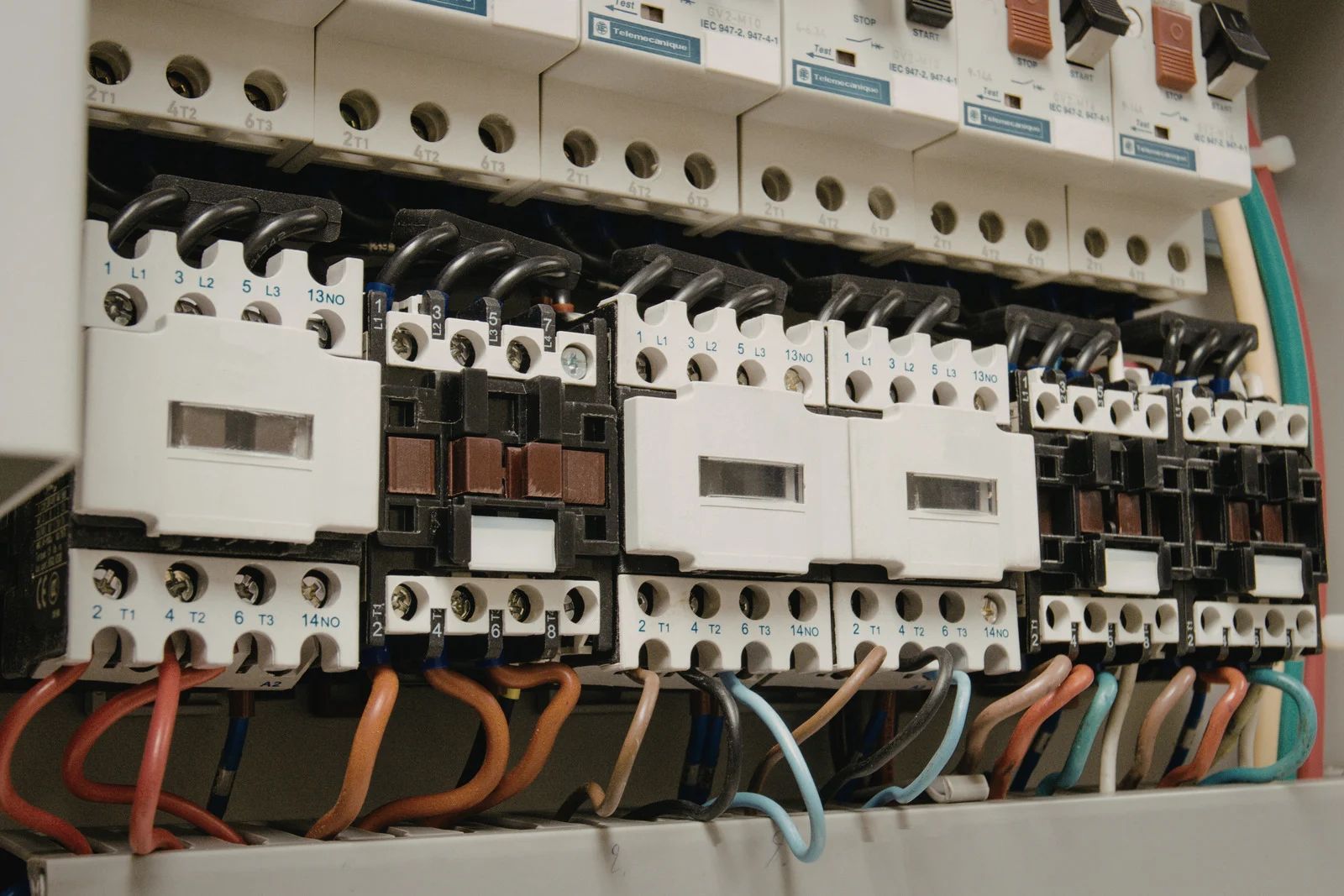
Upgrading an electrical panel is no longer a luxury; it is a critical component of ensuring safety, efficiency, and reliability in modern homes and businesses. With the increasing reliance on high-powered appliances, smart home systems, and electric vehicles, many existing panels struggle to meet current electrical demands. Aging or undersized panels can lead to frequent breaker trips, dimming lights, and even serious fire hazards. Understanding the nuances of electrical panel upgrades empowers homeowners and contractors alike to make informed decisions, ensuring long-term performance and safety.
Selecting the correct panel is not just a matter of replacing an old unit with a new one. It requires careful evaluation of electrical load requirements, adherence to local codes, and consideration of future expansion needs. A properly executed upgrade minimizes risk, enhances energy efficiency, and supports modern technology seamlessly. For contractors, knowledge of various panel types, installation practices, and potential challenges is essential to deliver reliable solutions. This blog provides a comprehensive guide on electrical panel upgrades, offering insights into decision-making, technical requirements, and best practices. From evaluating the existing system to selecting the right equipment, this resource equips contractors with the expertise necessary to execute upgrades confidently and safely.
Understanding When an Upgrade Is Necessary
Signs of an Outdated Electrical Panel
Recognizing when an electrical panel requires an upgrade is the first step in preventing hazards and inefficiencies. Common indicators include frequent breaker trips, flickering lights, and overheating outlets. Older panels may lack sufficient amperage for modern energy demands, leading to overloading and increased risk of electrical fires. Panels that use outdated circuit breakers, such as fuses or Federal Pacific systems, often fail to protect circuits effectively, making an upgrade essential.
A visible inspection of the panel can reveal corroded or discolored wiring, rusted components, or signs of scorching. Noise or buzzing from the panel is another red flag. Each of these symptoms signals the potential for serious safety issues if left unaddressed. Contractors must evaluate these indicators in context with the overall electrical load to determine the appropriate solution.
Evaluating Electrical Load Requirements
Calculating the total electrical demand of a property is crucial to selecting the right panel. This assessment includes existing appliances, HVAC systems, lighting, and any specialized equipment such as home theaters or workshop tools. Future plans for additions, renovations, or electric vehicle charging should also factor into the calculation. Load evaluation ensures that the upgraded panel will provide sufficient capacity without overloading, preventing both immediate hazards and long-term inefficiencies.
A professional assessment typically involves reviewing the current panel’s amperage, existing circuits, and wiring condition. Using this data, contractors can determine whether a simple replacement or a full upgrade with increased capacity is necessary. Accurate load evaluation is not just a technical requirement; it informs cost-effective decision-making and helps avoid underpowered solutions that may fail prematurely.
Types of Electrical Panels and Their Applications
Standard Breaker Panels
Standard breaker panels are the most common option for residential and light commercial properties. They consist of a main breaker and multiple branch circuit breakers, offering reliable protection and relatively straightforward installation. Modern breaker panels often include features such as surge protection and space for future circuit additions. Contractors should ensure that the selected panel matches both the property’s current load and anticipated future needs.
Main Lug vs. Main Breaker Panels
Understanding the difference between main lug and main breaker panels is critical for proper system design. Main breaker panels include a dedicated disconnecting device at the panel, allowing for complete power shutdown. Main lug panels, in contrast, do not have a built-in disconnect and are typically used as subpanels. Selecting the appropriate type depends on the overall electrical layout and local code requirements, which can impact both safety and regulatory compliance.
Load Centers and Subpanels
Subpanels, or load centers, provide additional circuit capacity without replacing the main service panel. They are ideal for large properties, garages, workshops, or additions where electrical demand exceeds the capacity of the main panel. Installing a subpanel requires careful coordination with the main panel to ensure balanced loads and proper grounding. Contractors must consider wire sizing, breaker compatibility, and physical placement to optimize safety and functionality.
Specialty Panels for Modern Applications
Specialty panels designed for high-demand applications, such as electric vehicle charging, solar integration, or smart home systems, are increasingly common. These panels offer enhanced features, including dedicated circuits, advanced surge protection, and monitoring capabilities. Incorporating specialty panels requires understanding the unique power requirements and ensuring compliance with electrical codes to prevent hazards.
Best Practices for Panel Upgrade Installation
Safety First: Pre-Installation Planning
Prioritizing safety begins long before the first wire is touched. Proper planning includes turning off power at the main disconnect, using appropriate personal protective equipment (PPE), and following lockout/tagout procedures. Contractors should conduct a thorough inspection of the existing wiring, grounding, and bonding systems to identify potential issues before installation.
Selecting High-Quality Equipment
The durability and reliability of an electrical panel depend on using high-quality components. Opting for panels and breakers from reputable manufacturers reduces the likelihood of premature failure and ensures compliance with national electrical standards. Avoiding substandard or counterfeit products is critical, as these can pose serious safety risks and void warranties.
Wiring and Circuit Considerations
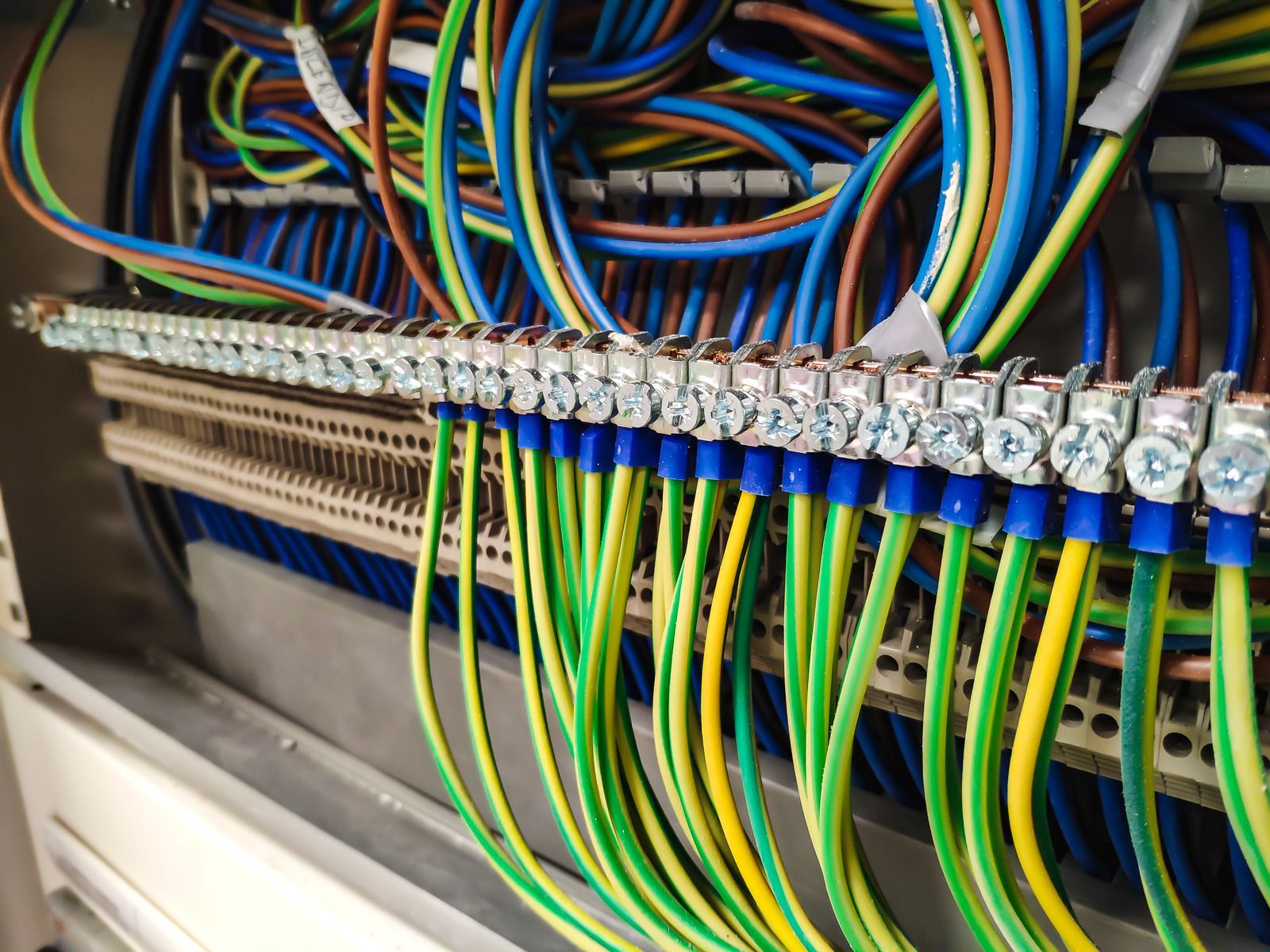
Accurate wiring and proper circuit placement are vital for system reliability. Each circuit must be appropriately rated for its intended load, with proper sizing of conductors and grounding. Balancing the load across phases prevents overloading and enhances efficiency. Contractors should document all connections, label circuits clearly, and verify breaker functionality to facilitate future maintenance.
Compliance with Electrical Codes
Upgrades must adhere to the National Electrical Code (NEC) and any local amendments. Compliance ensures safety, legal operation, and protection against liability. Key considerations include panel placement, clearances, grounding, and overcurrent protection. Contractors must remain updated on code revisions and inspection requirements to avoid costly delays or violations.
Common Challenges and How to Overcome Them
Dealing with Limited Space
Many older homes have panels installed in cramped or inaccessible locations. Limited space can complicate upgrades, requiring creative solutions such as panel relocation or use of subpanels. Contractors should plan for adequate clearance around the panel for safe operation and future servicing.
Managing Old Wiring Systems
Upgrading a panel in properties with outdated or deteriorated wiring requires additional care. Aluminum wiring, for instance, can pose fire risks if not properly connected with compatible devices. Contractors must inspect all connections, replace damaged conductors, and consider the long-term implications of integrating new panels with old wiring.
Unexpected Load Demands
Modern households often have higher electrical demands than older systems were designed for. Appliances, EV chargers, and home offices can exceed a panel’s capacity quickly. Anticipating these demands and installing a panel with extra capacity avoids future upgrades, reduces the risk of overloading, and accommodates technology trends.
Coordination with Other Trades
Panel upgrades may intersect with plumbing, HVAC, or construction work. Coordinating with other trades ensures that installation does not disrupt other systems and that space requirements are met. Effective communication reduces delays, prevents damage, and contributes to a smoother project experience.
Real-World Benefits of Proper Electrical Panel Upgrades
Enhanced Safety
A correctly sized and installed panel minimizes the risk of electrical fires, arc faults, and other hazards. Upgrades eliminate frequent breaker trips and prevent overheating, protecting both property and occupants. Safety improvements extend to improved grounding, surge protection, and reliable circuit isolation.
Increased Energy Efficiency
Modern panels support advanced circuit management, energy monitoring, and efficient distribution of power. By reducing energy loss and accommodating load-balancing devices, upgrades can lower utility bills and contribute to sustainable energy practices.
Support for Future Technology
An upgraded panel ensures that homes and businesses are ready for emerging technology demands. From solar power integration to electric vehicle charging and smart home automation, modern panels provide the flexibility to adapt without costly replacements. Forward-thinking installations save time, money, and disruption in the long term.
Peace of Mind
Contractors delivering a professional panel upgrade provide clients with confidence in their electrical system. Knowing that wiring is safe, circuits are balanced, and equipment is reliable gives homeowners and business owners peace of mind, reducing stress and future maintenance concerns.
Professional Panel Upgrades with Mint Electric’s Proven Experience
Choosing the right electrical panel upgrade is a critical step in maintaining a safe and efficient electrical system. Understanding when an upgrade is necessary, selecting the correct type of panel, and following best practices for installation are essential to prevent hazards, support modern energy demands, and future-proof properties. Contractors equipped with knowledge of load calculations, wiring requirements, code compliance, and common challenges can deliver reliable upgrades that enhance both safety and performance. Real-world benefits, such as increased energy efficiency, enhanced system reliability, and adaptability for future technology, make proper panel selection an investment in long-term peace of mind.
At Mint Electric
in Mapleton, UT, we bring over 10
years of experience to every electrical panel upgrade project. Our approach prioritizes safety, precision, and customer satisfaction, ensuring that every installation meets or exceeds industry standards. By combining technical expertise with a focus on forward-thinking solutions, we deliver panels that handle current demands while anticipating future needs. Clients trust us to provide dependable, code-compliant, and efficient upgrades, whether for residential or commercial applications. WithMint Electric, every project reflects professionalism, reliability, and a commitment to excellence in electrical systems.