
Old vs. New Home Wiring: What Every Homeowner Should Understand
April 8, 2026
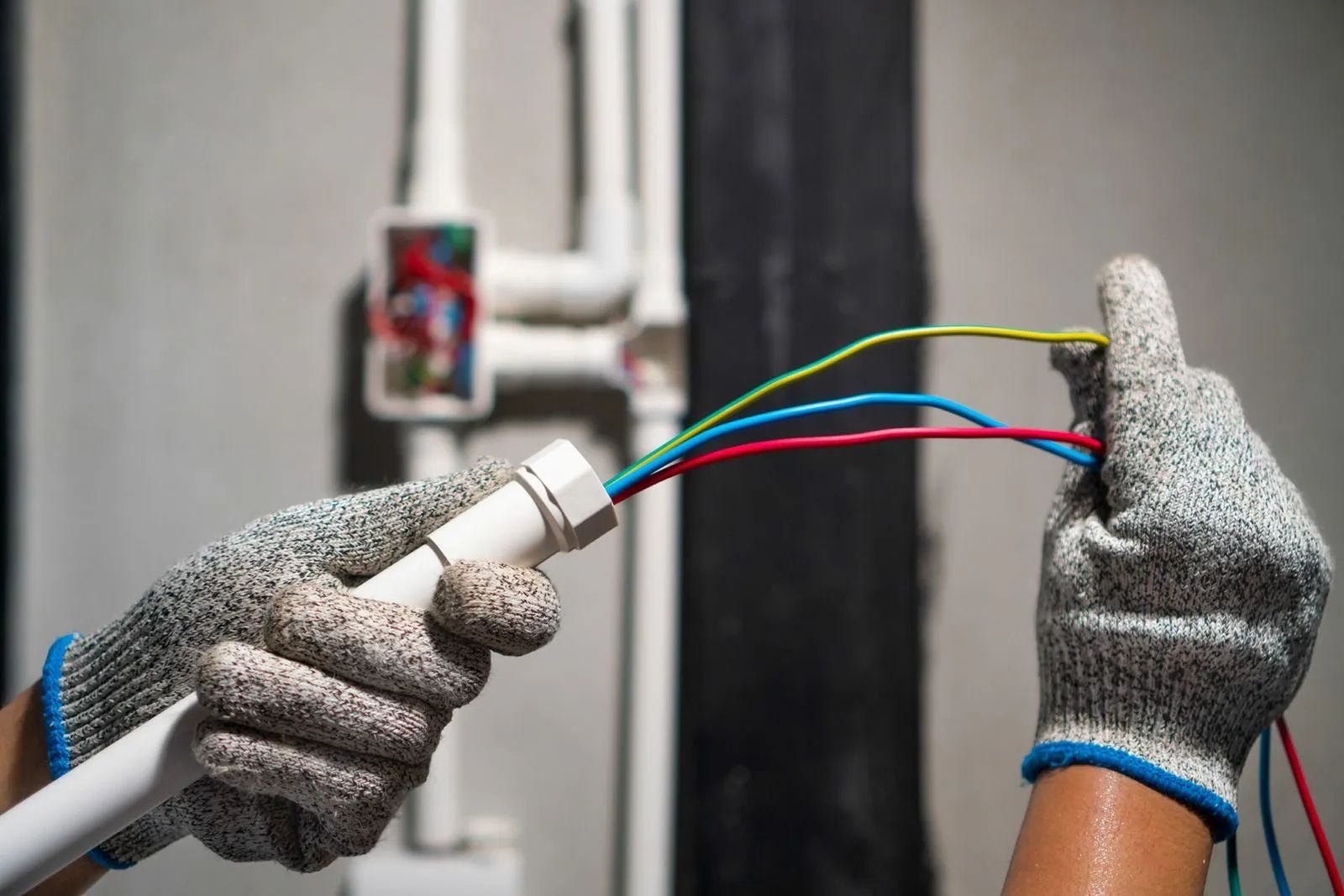
Electrical wiring is the backbone of any home, delivering the energy required to power appliances, lighting, and technology. For homeowners, understanding the differences between old and new wiring systems is not just a matter of curiosity—it directly impacts safety, efficiency, and long-term property value. Many homes, especially those built before the 1970s, still rely on outdated wiring that may not meet modern electrical demands. Without proper knowledge, electrical issues can go unnoticed, leading to hazards such as fires, appliance damage, and unexpected power interruptions.
Modern wiring, in contrast, is designed to handle higher loads and integrate seamlessly with today’s smart technologies. While older systems were sufficient for the modest electrical needs of the past, contemporary homes require circuits capable of supporting multiple devices, high-efficiency appliances, and complex networks. Homeowners who understand the key distinctions between old and new wiring are better equipped to make informed decisions about upgrades, maintenance, and safety measures. This knowledge helps prevent costly repairs, improves energy efficiency, and ensures the home meets current electrical codes and safety standards, safeguarding both property and residents.
1. Understanding Old Home Wiring Systems
1.1 Common Types of Old Wiring
Homes constructed before the 1970s often feature wiring methods that are now considered outdated or unsafe. Knob-and-tube (K&T) wiring is one of the earliest types, commonly used in the early 20th century. This system uses insulated copper conductors running through ceramic knobs and tubes. While durable in its era, K&T wiring lacks grounding and is prone to wear, especially when insulation deteriorates. This exposes live wires, increasing the risk of electrical shock and fire hazards.
Aluminum wiring, prevalent in homes built during the 1960s and 1970s, was introduced as a cost-effective alternative to copper. Aluminum wiring has a higher likelihood of loosening at connections and oxidizing over time, which can lead to overheating and potential fire hazards. Many homes with aluminum wiring require inspections and potential upgrades to ensure safety.
1.2 Challenges and Risks
Old wiring presents unique challenges. Insulation may crack or degrade, exposing bare wires. Outdated systems often lack grounding, which is critical for preventing electric shock and protecting appliances. Furthermore, older homes typically have lower amperage ratings, limiting the number of devices that can operate simultaneously. This can result in frequent tripped breakers, flickering lights, and overloaded circuits.
Homeowners might also encounter wiring that doesn’t comply with current electrical codes, making renovations or new installations more complex. Identifying these risks early through inspections can prevent catastrophic failures and improve home safety.
1.3 Real-World Scenarios
Consider a scenario where a vintage home houses modern appliances like high-efficiency HVAC systems, multiple computers, or advanced kitchen devices. Attempting to run these on outdated wiring could lead to frequent breaker trips or overheating circuits. A home with K&T or aluminum wiring might require rewiring before adding such devices. Recognizing these challenges allows homeowners to plan renovations efficiently and avoid hazards associated with aging electrical systems.
2. Key Features of Modern Home Wiring
2.1 Enhanced Safety and Code Compliance
Modern wiring systems adhere to strict electrical codes, including grounding, circuit protection, and proper insulation. Copper wiring remains the standard, providing excellent conductivity and durability. Grounded outlets and circuits protect residents and electronics, minimizing the risk of shocks and fires.
Circuit breakers in modern homes are designed to detect overloads and interrupt current flow, a significant improvement over older fuse-based systems. Arc fault circuit interrupters (AFCIs) and ground fault circuit interrupters (GFCIs) further enhance safety by detecting dangerous electrical conditions and preventing fires or electrocution.
2.2 Capacity for Higher Loads
New wiring accommodates the higher energy demands of contemporary households. With the proliferation of smart home devices, multiple high-power appliances, and entertainment systems, modern homes require circuits rated for 20 to 50 amps or more in key areas. Properly rated circuits prevent frequent tripping and overheating, maintaining stable and reliable power distribution.
2.3 Integration with Modern Technology
Smart home systems, electric vehicles, and high-speed internet infrastructure demand wiring that supports both power and data transmission. Modern homes often include structured wiring panels, CAT6 or fiber-optic cabling, and dedicated circuits for high-load appliances. These upgrades provide long-term flexibility and ensure homes remain functional and technologically compatible as needs evolve.
2.4 Benefits and Best Practices
The advantages of modern wiring extend beyond safety. Reliable circuits reduce appliance wear, minimize energy waste, and improve overall efficiency. Best practices include labeling circuits, ensuring proper breaker sizing, and conducting periodic inspections to maintain compliance and functionality. Regular maintenance and awareness of load limits protect both the home and residents.
3. Comparing Old vs. New Wiring
3.1 Material and Durability
Old wiring, such as aluminum and K&T, tends to degrade faster than modern copper wiring. Aluminum connections can loosen and oxidize, while K&T insulation can crumble with age. Modern copper wiring resists corrosion, maintains conductivity, and lasts longer under typical household conditions.
3.2 Grounding and Protection
Grounding is a major differentiator. Most old systems lack proper grounding, creating potential safety hazards. Modern wiring incorporates grounding in every outlet, protecting residents from shocks and enabling surge protection for electronics. Circuit breakers and GFCIs in modern systems provide added layers of safety that older homes often lack.
3.3 Load Capacity and Efficiency
Older systems were designed for fewer appliances and lower wattage. Modern homes require circuits capable of handling multiple devices simultaneously without tripping breakers. Upgrading to new wiring improves efficiency, reduces energy loss, and supports the seamless operation of high-demand appliances.
3.4 Real-Life Example
A family living in a 1960s home may experience flickering lights when operating a microwave and an air conditioner simultaneously. This indicates that the old wiring cannot handle the combined load. Upgrading to modern wiring with dedicated circuits for major appliances prevents such issues, ensures safety, and reduces energy inefficiency.
3.5 Cost Considerations
While upgrading wiring requires investment, it prevents future expenses associated with electrical failures, fires, or appliance damage. The long-term benefits of modern wiring—enhanced safety, higher capacity, and improved efficiency—far outweigh initial costs. Homeowners should view rewiring as both a safety measure and an investment in property value.
4. Signs Your Home Needs Electrical Upgrades
4.1 Common Warning Signs
Identifying outdated or failing wiring is essential. Common signs include:
- Flickering or dimming lights
- Frequently tripped breakers or blown fuses
- Warm or discolored outlets
- Buzzing sounds from switches or outlets
- Burning odors near electrical panels
4.2 Importance of Timely Action
Ignoring these indicators can lead to severe consequences, including electrical fires. Timely inspections and upgrades mitigate risks, enhance safety, and ensure the home complies with current electrical codes. Homeowners planning renovations or adding high-load appliances should consider a full electrical assessment to prevent future hazards.
4.3 Preventative Measures
Periodic inspections by licensed electricians, proper circuit labeling, and adherence to load capacities extend the lifespan of electrical systems. Installing AFCIs and GFCIs, especially in kitchens, bathrooms, and outdoor areas, provides additional protection for residents and property.
5. Best Practices for Upgrading Home Wiring
5.1 Professional Assessment
A comprehensive evaluation by a licensed professional identifies outdated wiring, potential hazards, and capacity limitations. Professionals use tools to test continuity, grounding, and insulation resistance, ensuring accurate diagnosis.
5.2 Strategic Rewiring
Upgrading old wiring should follow a systematic plan. Prioritize circuits that power high-demand appliances, kitchens, and bathrooms. Replace aluminum or K&T wiring with copper, add grounding where absent, and install modern outlets and breaker systems.
5.3 Enhancing Safety Features
Incorporating AFCIs, GFCIs, and surge protectors enhances safety across the home. Modern panel boards offer easier access for future upgrades and maintenance. Proper labeling ensures quick identification of circuits, simplifying repairs or troubleshooting.
5.4 Energy Efficiency and Future-Proofing
New wiring supports energy-efficient appliances and smart devices. Structured wiring, dedicated circuits, and high-capacity panels allow seamless expansion as electrical demands increase. Upgrading proactively avoids frequent overhauls and keeps the home aligned with evolving technology standards.
Expert Wiring Upgrades Ensuring Home Safety Confidence
Electrical systems are the lifelines of every home. Recognizing the differences between old and new wiring is essential for maintaining safety, efficiency, and property value. Older wiring types, including knob-and-tube and aluminum, present unique challenges, from grounding deficiencies to capacity limitations. Modern wiring addresses these concerns through grounded circuits, higher load capacity, and advanced protective devices like GFCIs and AFCIs. Proactive assessment, strategic upgrades, and regular maintenance prevent hazards, ensure compliance with codes, and support the integration of modern technology.
At Mint Electric, we bring 10 years of hands-on experience serving Mapleton, UT, and surrounding communities. Electrical systems, whether vintage or contemporary, require expert attention to ensure safety and performance. Our approach combines thorough inspections, detailed assessments, and tailored solutions that meet the specific needs of each home. Upgrading wiring, installing modern safety features, or integrating smart technology is approached with precision, reliability, and professionalism.
We prioritize long-term safety and efficiency, offering guidance grounded in experience and local knowledge. Every project, from rewiring older homes to enhancing new construction, is executed with meticulous care, adhering to the latest codes and standards. Residents can rely on us to identify potential hazards, recommend cost-effective solutions, and implement upgrades that protect both property and occupants. Choosing Mint Electric
ensures trusted, expert service, a commitment to quality, and peace of mind for every homeowner. Experience matters, and our 10 years of service reflect a track record of excellence and dedication to electrical safety and innovation.