
Why Routine Electrical Maintenance Is the Smartest Move You Can Make
January 5, 2026
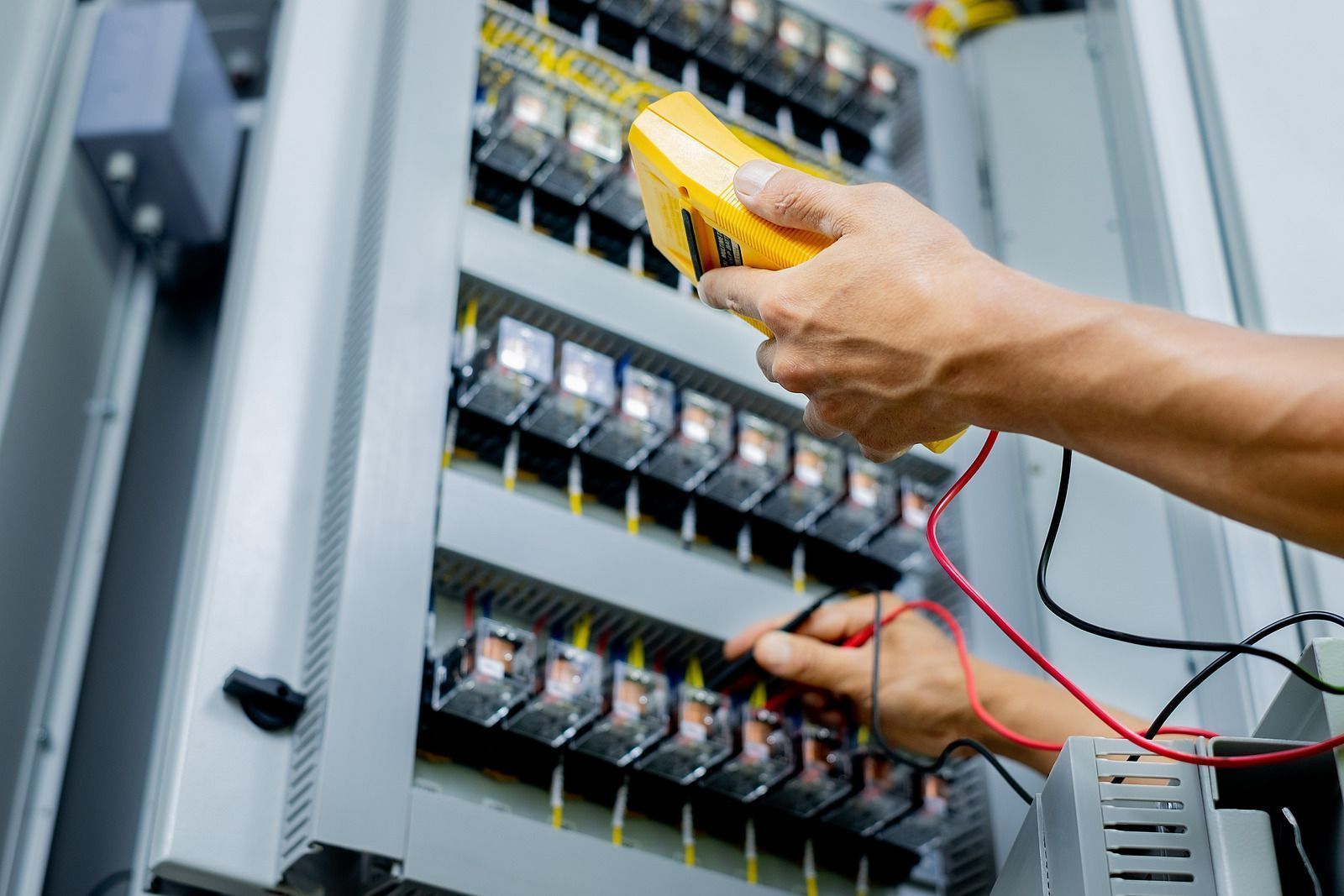
Electricity powers nearly every aspect of modern life, from lighting our homes and offices to keeping essential appliances running smoothly and reliably every day. Despite its integral role in our daily routines and business operations, many homeowners and business operators often overlook the importance of routine electrical maintenance, mistakenly assuming issues will resolve themselves or are too minor to address. Instead, they wait for a visible problem—like flickering lights, frequent breaker trips, or intermittent power fluctuations—before taking action. This reactive approach not only increases the likelihood of costly repairs and inconvenient downtime but also poses serious safety risks, including electrical fires, equipment damage, and potential hazards to occupants. Understanding why proactive electrical maintenance is a critical strategy can save both significant money, time, and stress in the long run while ensuring a reliable electrical system that supports modern living and business demands.
Regular inspections and preventive care are not merely about keeping circuits functional; they ensure the entire electrical system operates efficiently, safely, and within recommended standards. Through routine maintenance, potential problems such as worn wiring, overloaded circuits, or failing components are identified before they escalate, allowing for timely repairs, replacements, or system upgrades. Moreover, well-maintained electrical systems support energy efficiency, prevent unexpected outages, reduce long-term operating costs, and extend the lifespan of appliances, electronics, and critical equipment. In an era where electrical reliability is paramount, adopting a systematic maintenance schedule is the smartest move for any property owner, ensuring peace of mind and uninterrupted functionality. This guide explores the key benefits, practical strategies, and expert insights into routine electrical maintenance, demonstrating why it should be a top priority for both residential and commercial settings across diverse environments and usage needs.
Understanding the Importance of Electrical Maintenance
Why Proactive Care Matters
Many people underestimate the complexity of electrical systems. From circuit breakers and wiring to outlets and service panels, each component plays a critical role in delivering safe, consistent power. Over time, normal wear and tear, environmental factors, and overloading can degrade these components, leading to inefficiencies or safety hazards. Proactive electrical maintenance helps identify such vulnerabilities early.
For instance, loose connections in a circuit can cause intermittent outages or sparks that, if left unaddressed, may ignite a fire. Similarly, aging wiring may not safely support modern electrical loads, increasing the risk of overloads or equipment failure. Routine inspections and maintenance allow electricians to pinpoint these weak points and implement solutions before they escalate into emergencies.
Real-World Example
Consider a commercial office building where HVAC systems, computers, and lighting operate continuously. Without regular electrical checks, a worn-out breaker or faulty wiring could lead to a complete system failure, halting operations and costing the company thousands in lost productivity. A routine maintenance schedule, including thermal imaging of panels and load testing, could reveal these issues before they disrupt daily operations.
Routine maintenance is not just about prevention—it also safeguards investments. Appliances, machinery, and electronic systems last longer when the electrical supply is stable and reliable. By prioritizing maintenance, property owners can protect their infrastructure, minimize downtime, and reduce unexpected repair costs.
Key Benefits of Routine Electrical Maintenance
Enhanced Safety
The foremost benefit of routine electrical maintenance is safety. Faulty wiring, overloaded circuits, and aging panels are common causes of residential and commercial fires. Regular inspections help detect these hazards early, allowing for corrective action that prevents injuries, property damage, and legal liabilities.
Increased Energy Efficiency
Electrical systems that are properly maintained operate more efficiently. Dirty contacts, corroded connections, and outdated components can increase resistance, resulting in higher energy consumption. A well-maintained system ensures that electricity flows efficiently, which lowers utility bills and reduces the environmental footprint.
Cost Savings and Long-Term Value
While maintenance incurs periodic expenses, it is significantly cheaper than emergency repairs or full system replacements. For example, replacing a corroded breaker or upgrading wiring during routine checks is far less costly than addressing damage caused by an electrical fire. Over time, routine maintenance protects both residential and commercial property value by keeping electrical infrastructure in optimal condition.
Minimizing Downtime
Unexpected electrical failures can halt operations in offices, factories, and retail environments. Routine maintenance, including load testing and circuit analysis, helps prevent unscheduled outages. Businesses benefit from uninterrupted operations, while homeowners avoid the inconvenience and risk of blackouts.
Compliance and Insurance Advantages
Many local regulations and insurance policies require proof of regular maintenance for commercial properties. Keeping detailed records of inspections and maintenance not only ensures compliance but may also qualify property owners for lower insurance premiums or faster claims processing in case of an incident.
Common Electrical Issues Prevented by Maintenance
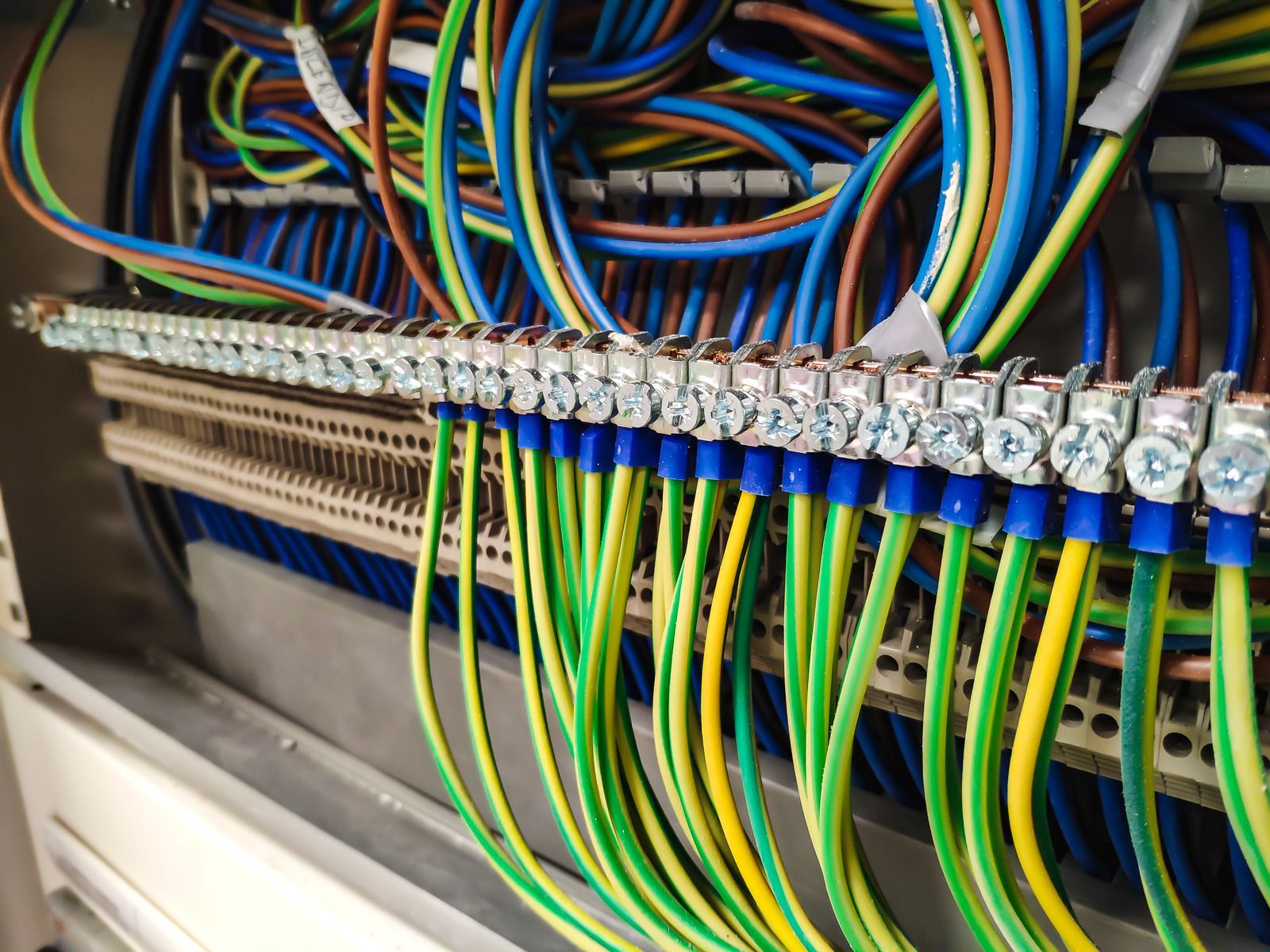
- Worn or Faulty Wiring:- Over time, insulation can crack, connections loosen, or wires degrade. Routine maintenance includes visual inspections and testing that identify potential problems before they pose fire hazards.
- Overloaded Circuits:- Modern households and businesses use more electrical devices than ever. Routine maintenance can assess load capacities, redistribute circuits, and prevent frequent breaker trips, reducing stress on the electrical system.
- Aging Breakers and Panels:- Circuit breakers and panels are the backbone of any electrical system. Maintenance helps detect aging components and corrosion, ensuring they function properly and provide protection when needed.
- Grounding and Bonding Issues:- Proper grounding and bonding are critical for preventing electrical shocks and protecting equipment. Maintenance checks verify that grounding systems meet safety standards, minimizing risk.
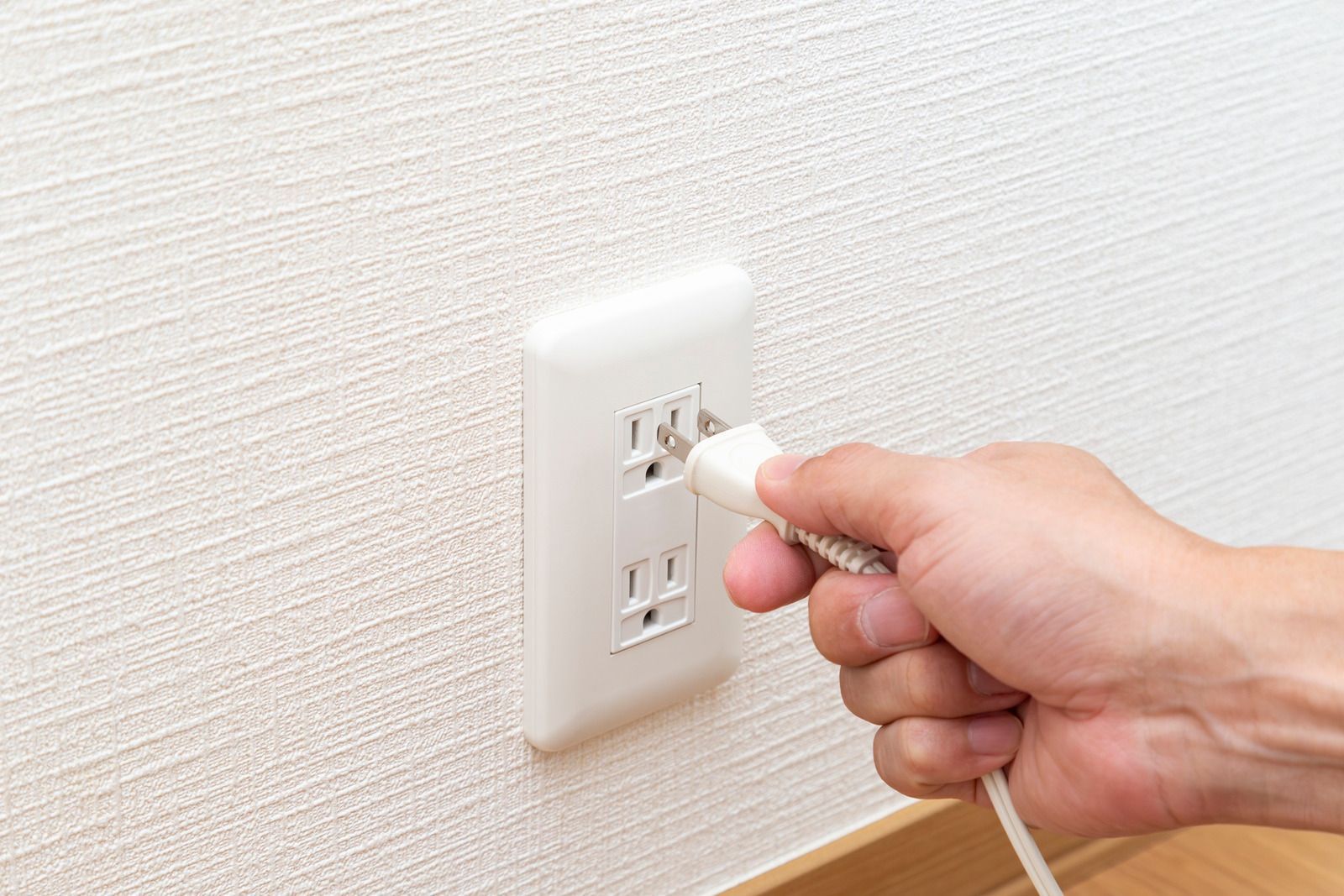
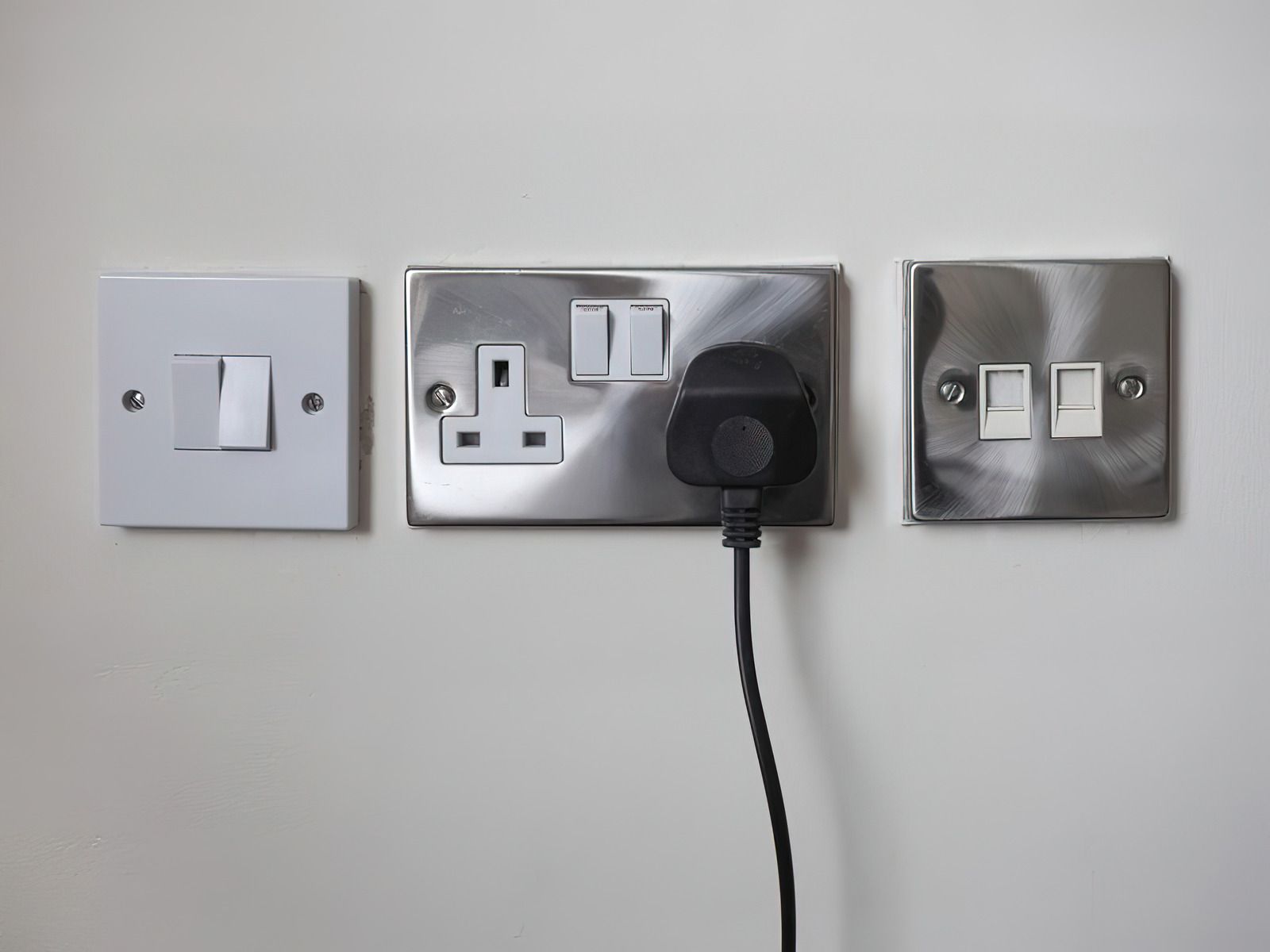
- Loose or Damaged Outlets and Switches:- Outlets and switches experience wear from daily use. Loose connections can create sparks or intermittent operation. Regular inspections ensure these components are secure and functioning efficiently.
Best Practices for Routine Electrical Maintenance
Establish a Scheduled Maintenance Plan
Creating a systematic maintenance schedule is essential. Homeowners should consider annual inspections, while commercial properties may benefit from semi-annual or quarterly checks depending on system complexity.
Hire Qualified Electricians
Routine maintenance should always be performed by licensed professionals. Certified electricians have the expertise, tools, and safety training required to identify and correct issues that untrained individuals may overlook.
Document and Track Maintenance
Maintaining detailed records of inspections, repairs, and upgrades is crucial. Documentation helps track the health of electrical systems, plan future upgrades, and provide proof of compliance for insurance or regulatory purposes.
Include Preventive Measures
Preventive measures such as cleaning electrical panels, tightening connections, checking for moisture damage, and testing backup systems are integral to maintenance. These steps address issues before they become critical, extending system lifespan.
Utilize Modern Tools
Technologies like thermal imaging, infrared cameras, and circuit analyzers allow electricians to detect hidden problems, such as overheating connections or imbalanced loads, without invasive procedures. Leveraging modern tools enhances the effectiveness of maintenance programs.
Challenges and Considerations in Electrical Maintenance
- Accessibility and Complexity:- Some components, like wiring behind walls or high-voltage panels, are difficult to access and require specialized skills. This complexity emphasizes the need for professional maintenance.
- Balancing Cost and Frequency:- While maintenance is an investment, property owners must balance cost with frequency. Too infrequent inspections can lead to overlooked issues, whereas excessively frequent checks may be unnecessary and cost-prohibitive.
- Environmental Factors:- Heat, humidity, dust, and pests can accelerate electrical system degradation. Maintenance plans should consider environmental conditions to address these factors proactively.
- Keeping Up with Upgrades:- As technology evolves, electrical systems may require upgrades to accommodate new equipment or energy-efficient appliances. Routine maintenance offers an opportunity to integrate necessary updates seamlessly.
Practical Tips to Maximize Electrical Longevity
Monitor Energy Usage
Keep an eye on energy bills and device performance. Sudden spikes can indicate an underlying electrical issue.
Upgrade Wisely
Replacing outdated components with modern, energy-efficient alternatives during routine maintenance can improve safety and reduce energy costs.
Educate Occupants
Homeowners and employees should be aware of safe electrical practices, such as avoiding overloading outlets, unplugging unused devices, and reporting unusual sounds or smells immediately.
Use Surge Protection
Installing surge protectors can shield appliances from voltage spikes. Regular maintenance ensures these devices are functioning properly.
Schedule Proactive Inspections
Don’t wait for failures. Regularly scheduled inspections—aligned with seasonal changes or building expansions—help maintain a resilient electrical system.
Routine electrical maintenance is not a luxury—it is a necessity. By prioritizing proactive inspections and preventive care, property owners safeguard safety, enhance energy efficiency, and minimize costly repairs. Well-maintained electrical systems reduce the risk of fires, extend the lifespan of appliances, and ensure uninterrupted operation for both residential and commercial properties. Strategic maintenance also facilitates compliance with local regulations and insurance requirements, providing additional peace of mind.
Partnering With Professionals Ensures Reliability
When it comes to
electrical maintenance, expertise matters. Mint Electric, based in Mapleton, UT, brings 10
years of experience providing comprehensive electrical services. Their team of licensed professionals specializes in proactive inspections, system upgrades, and preventive maintenance strategies tailored to the unique needs of every property. By partnering with Mint Electric, homeowners and business operators gain a trusted partner committed to safety, efficiency, and reliability. Whether it’s safeguarding critical systems, extending the life of equipment, or ensuring compliance, we deliver thorough, professional service designed to protect your property and investments. Investing in routine maintenance with an experienced team is the smartest move for anyone seeking peace of mind and long-term electrical performance.