
Is It Time to Replace That Old Outlet? Here’s How to Tell
December 16, 2025
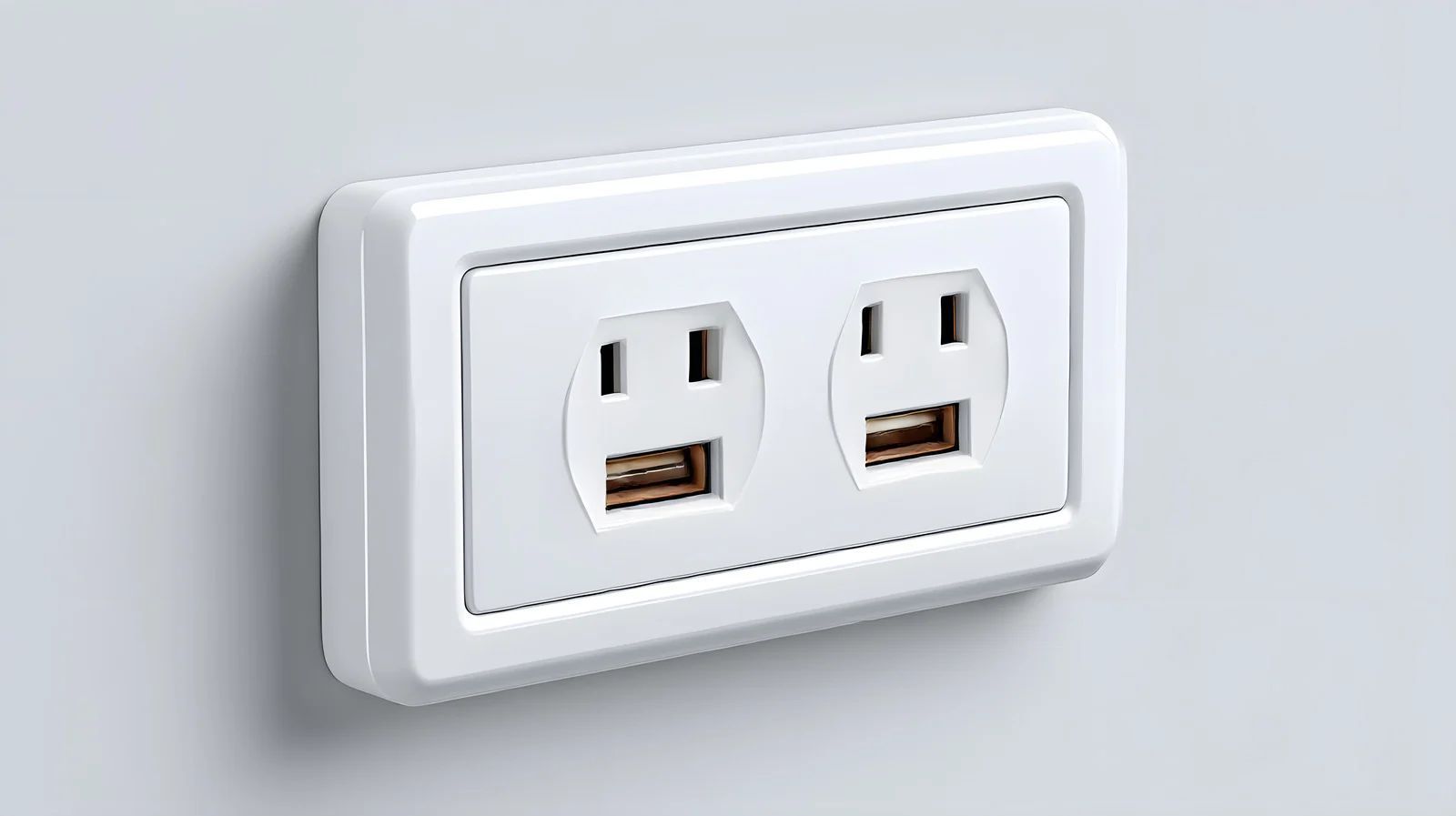
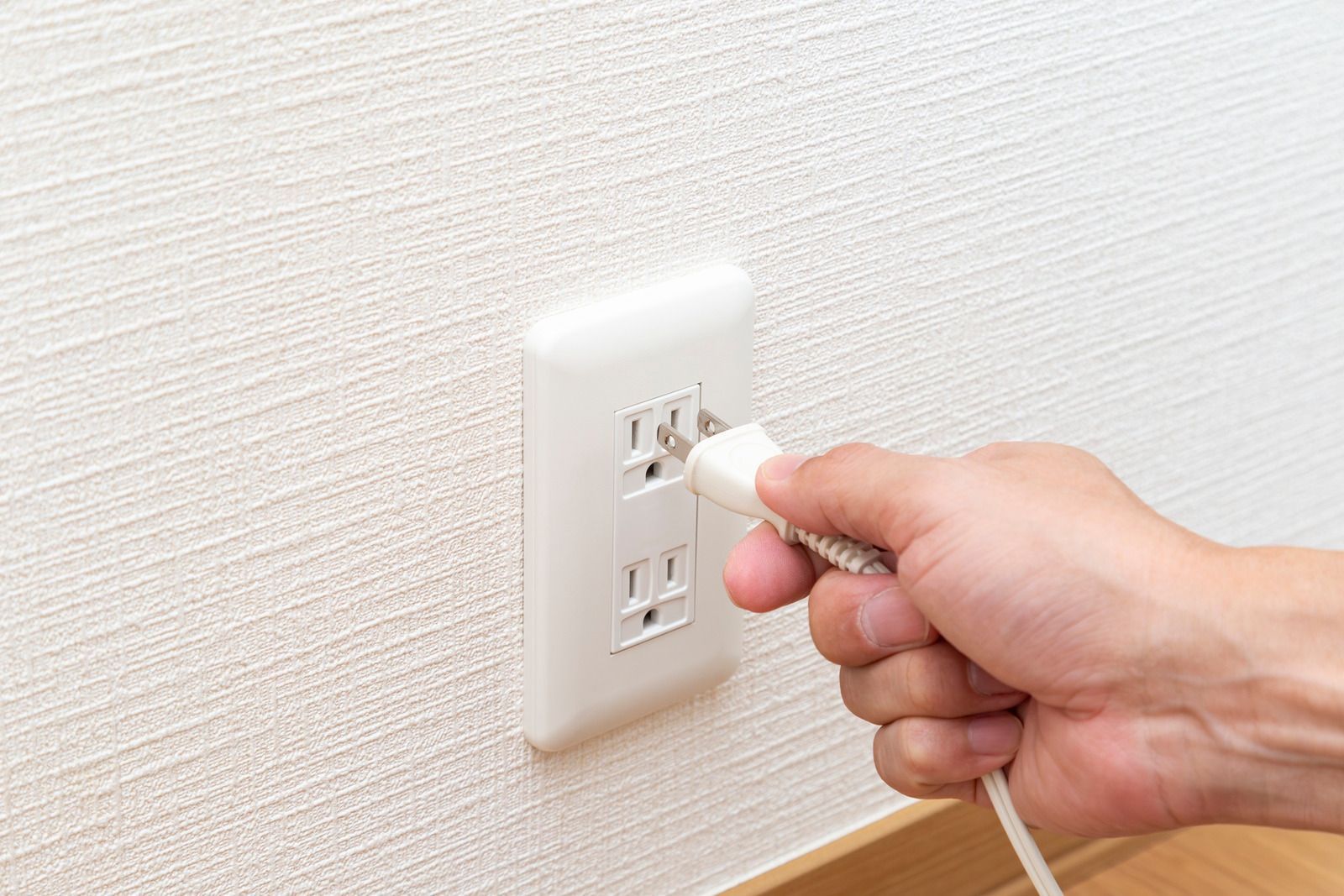
Electrical outlets are the silent workhorses of every home and office. They power our daily lives, keeping devices charged, appliances running, and entertainment systems active. Despite their essential role, outlets often go unnoticed—until something goes wrong. For homeowners, property managers, and DIY enthusiasts, recognizing the signs of aging or malfunctioning outlets is crucial for both safety and convenience. Over time, outlets can deteriorate due to wear and tear, electrical overloads, or outdated designs that no longer meet modern power needs. Ignoring these signs can lead to serious hazards, including electrical shocks, short circuits, or even house fires.
Determining whether an outlet needs replacement isn’t always obvious. While some issues are visible, others may only manifest subtly, such as intermittent power or warm receptacles. Understanding what to look for, why it matters, and how to approach replacement can save time, money, and potential risk. This guide explores the key indicators of failing outlets, the benefits of timely replacement, and best practices for maintaining a safe, reliable electrical system. Whether you’re a homeowner looking to modernize your home or a property manager responsible for multiple units, knowing when and how to replace old outlets is an essential part of proactive electrical maintenance.
Signs Your Outlet May Need Replacement
- Visual Damage and Wear:- One of the most apparent indicators of an outlet in need of replacement is visible damage. Cracks, discoloration, or burn marks on the faceplate or surrounding wall can signal underlying electrical issues. Over time, repeated use can cause outlets to loosen, which may result in plugs falling out easily or poor contact with electrical devices. Additionally, scorch marks or melted plastic are warning signs that an outlet may have experienced overheating, which poses a serious fire risk. Regular inspection of outlet condition is a simple yet effective way to catch problems early.
- Frequent Tripping of Breakers:- If you notice that circuit breakers trip frequently when using specific outlets, this could indicate an overloaded or faulty outlet. Breakers are designed to prevent electrical overloading, so repeated trips suggest an underlying issue that should not be ignored. Over time, worn-out outlets can develop loose connections or internal damage that triggers these safety mechanisms. Addressing the problem promptly by replacing the outlet or updating the circuit can prevent more serious electrical failures.
- Sparks and Unusual Noises:- Sparking when plugging in or unplugging devices is a clear warning sign that an outlet is compromised. Similarly, buzzing, humming, or crackling noises coming from an outlet can indicate loose wiring or a poor connection. These symptoms are not only inconvenient but also hazardous. Sparks or electrical arcing can ignite nearby materials, making prompt replacement essential. Observing these behaviors should trigger immediate action to prevent potential injuries or damage.
Modernizing Outdated Outlets
Lack of Safety Features
Older outlets, especially those installed before the 1990s, often lack modern safety features like ground fault circuit interrupters (GFCIs) or arc fault circuit interrupters (AFCIs). GFCI outlets are particularly important in areas prone to moisture, such as kitchens, bathrooms, and garages, as they help prevent electrical shock. AFCIs protect against fires caused by arcing in the wiring. Replacing outdated outlets with ones that include these safety mechanisms is a proactive way to enhance electrical safety in your home or office.
Accommodating Modern Power Needs
Homes and businesses today use a variety of high-demand electronic devices. Older outlets may not support the power requirements of modern appliances, chargers, or entertainment systems. Upgrading to outlets with higher amperage or adding USB ports for convenient device charging can significantly improve usability. Modern outlets also often include features such as tamper-resistant shutters, which are crucial for homes with young children. Updating outlets ensures that your electrical system can safely meet contemporary demands.
Improving Energy Efficiency
Newer outlet designs can contribute to energy efficiency by providing better connections and reducing the likelihood of energy loss due to poor contact or corrosion. Some modern outlets also include smart features, allowing users to control power remotely or monitor energy usage. Replacing old, inefficient outlets can contribute to lower energy bills while providing added convenience and control over your home’s electrical environment.
Safety Risks of Neglecting Outlet Replacement
- Fire Hazards:- Faulty outlets are a leading cause of residential electrical fires. Loose wiring, worn contacts, and overheated components can ignite nearby flammable materials. According to the National Fire Protection Association (NFPA), electrical failures account for thousands of fires annually, many originating from outdated or damaged outlets. Recognizing the warning signs and taking action by replacing compromised outlets is a critical step in home safety.
- Electrical Shock:- A malfunctioning outlet increases the risk of electrical shock. Symptoms of compromised wiring or poor grounding include mild shocks when touching metal parts of devices, intermittent power, or sparks. Vulnerable populations, such as children and elderly adults, are particularly at risk. Installing properly grounded, modern outlets significantly reduces these hazards, ensuring a safer environment for everyone.
- Property Damage:- Beyond personal safety, damaged outlets can result in extensive property damage. Power surges from faulty connections can harm expensive electronics, appliances, and sensitive equipment. Furthermore, repeated electrical issues may require costly repairs to wiring or entire circuits. Timely outlet replacement protects both physical assets and financial investments, making it a smart preventative measure.
How to Assess and Replace an Outlet
Conducting a Visual Inspection
Begin with a simple visual inspection of all outlets. Check for cracks, discoloration, burn marks, or looseness in the receptacle. Test plugs to ensure they fit securely and without resistance. These basic checks can identify outlets that require professional attention or replacement.
Using a Voltage Tester
A voltage tester is a reliable tool to determine whether an outlet is delivering consistent power. Inconsistent readings or no power at all may indicate wiring issues, degraded connections, or internal damage. This step helps prioritize which outlets need immediate replacement and prevents unnecessary replacements of functioning units.
Professional Replacement vs. DIY
While minor outlet replacement can be performed safely by skilled DIYers, there are circumstances where professional intervention is advisable. Outlets showing signs of burning, sparking, or repeated breaker trips should always be handled by licensed electricians. Professionals can ensure proper wiring, grounding, and compliance with local electrical codes, reducing the risk of future problems.
Step-by-Step Replacement Process
For those comfortable with DIY replacement, the process involves:
- Turning off the power at the breaker.
- Removing the outlet cover and unscrewing the existing outlet.
- Disconnecting the wires carefully, noting their placement.
- Connecting the wires to the new outlet, ensuring tight and secure connections.
- Reinstalling the outlet and cover, then restoring power to test functionality.
Adhering to safety guidelines and double-checking connections ensures a smooth, hazard-free replacement.
Best Practices for Outlet Maintenance
- Routine Inspections:- Performing regular inspections of all outlets helps identify early signs of wear and damage. Annual visual checks, combined with occasional functional tests, prevent small issues from escalating into dangerous situations. Documenting outlet condition and replacement history supports effective home or building maintenance.
- Avoiding Overloading:- Overloading outlets is a common cause of electrical issues. Spread high-demand appliances across multiple outlets or circuits, and avoid using daisy-chained power strips. Monitoring energy usage and ensuring proper load distribution maintains outlet longevity and reduces fire risk.
- Timely Upgrades:- Replacing outlets proactively, rather than waiting for failure, ensures continuous safety and reliability. Consider upgrading older outlets when renovating, adding new appliances, or addressing outdated electrical systems. Integrating modern safety features and accommodating power needs improves both functionality and security.
- Educating Household Members:- Ensuring all household members or building occupants understand safe outlet usage minimizes accidental damage or misuse. Clear guidelines about not forcing plugs, avoiding wet hands near outlets, and reporting unusual behaviors like sparks or noises foster a culture of electrical safety.
When to Consult a Licensed Electrician
Complex Electrical Issues
Certain outlet problems require the expertise of a licensed electrician. Recurring breaker trips, unexplained sparks, buzzing noises, or outlets that feel warm to the touch should prompt professional evaluation. These signs may indicate larger wiring issues that DIY fixes cannot safely address.
Compliance with Electrical Codes
Electrical codes evolve over time, and older outlets may not meet current safety standards. Licensed electricians ensure that outlet replacements are compliant with local regulations, protecting your home, insurance coverage, and overall safety. This is particularly important for rental properties, new constructions, or major renovations.
Enhancing System Reliability
Engaging a professional guarantees that outlets are installed correctly and that the overall electrical system remains balanced and reliable. Professional inspection can also uncover hidden issues, such as deteriorating wiring or poor grounding, which might otherwise go unnoticed. This proactive approach reduces long-term maintenance costs and enhances peace of mind.
Maximizing Safety Through Regular Electrical Maintenance
Old or damaged outlets pose real risks, from fire hazards and electrical shocks to costly property damage. Recognizing the signs—such as visual damage, sparking, buzzing, or frequent breaker trips—is the first step in maintaining a safe and reliable electrical system. Modernizing outlets with updated safety features, accommodating higher power needs, and conducting regular inspections are essential practices for proactive home and office maintenance. Understanding when and how to replace outlets can prevent emergencies and ensure your electrical infrastructure meets current safety and functionality standards.
Mint Electric, based in Mapleton, UT, has over 10
years of experience providing safe, reliable, and professional electrical services. Our team specializes in evaluating, upgrading, and
replacing outlets to ensure optimal performance and safety. Whether it’s a routine inspection, a high-demand upgrade, or addressing a problematic outlet, we deliver trustworthy, expert solutions tailored to your home or business. Rely on our experience and attention to detail to keep your electrical systems functioning efficiently, while safeguarding your property and loved ones. From consultation to installation, we provide the peace of mind that comes with professional, code-compliant electrical services.