
Standard vs. Premium Electrical Features for New Construction Homes
June 5, 2026
Building a new home presents countless opportunities to customize comfort, functionality, and long-term value. Among the many decisions homeowners face, electrical planning is one of the most important yet often overlooked aspects of the construction process. While floor plans, finishes, and design features typically receive significant attention, electrical systems serve as the foundation that supports modern living. From lighting and outlets to smart home integration and energy management, electrical features influence convenience, safety, efficiency, and future adaptability. Understanding the difference between standard and premium electrical options helps homeowners make informed decisions that align with both their lifestyle needs and budget goals.
As residential technology continues to evolve, the gap between standard electrical installations and premium upgrades has grown considerably. Builders often include essential electrical components that satisfy building codes and basic functionality, while premium features provide enhanced performance, convenience, energy efficiency, and customization. Choosing the right combination requires evaluating current requirements as well as future expectations. Careful electrical planning during construction creates a home that remains comfortable, functional, and prepared for changing technology for many years to come.
Understanding Standard Electrical Features in New Construction
What Standard Electrical Packages Typically Include
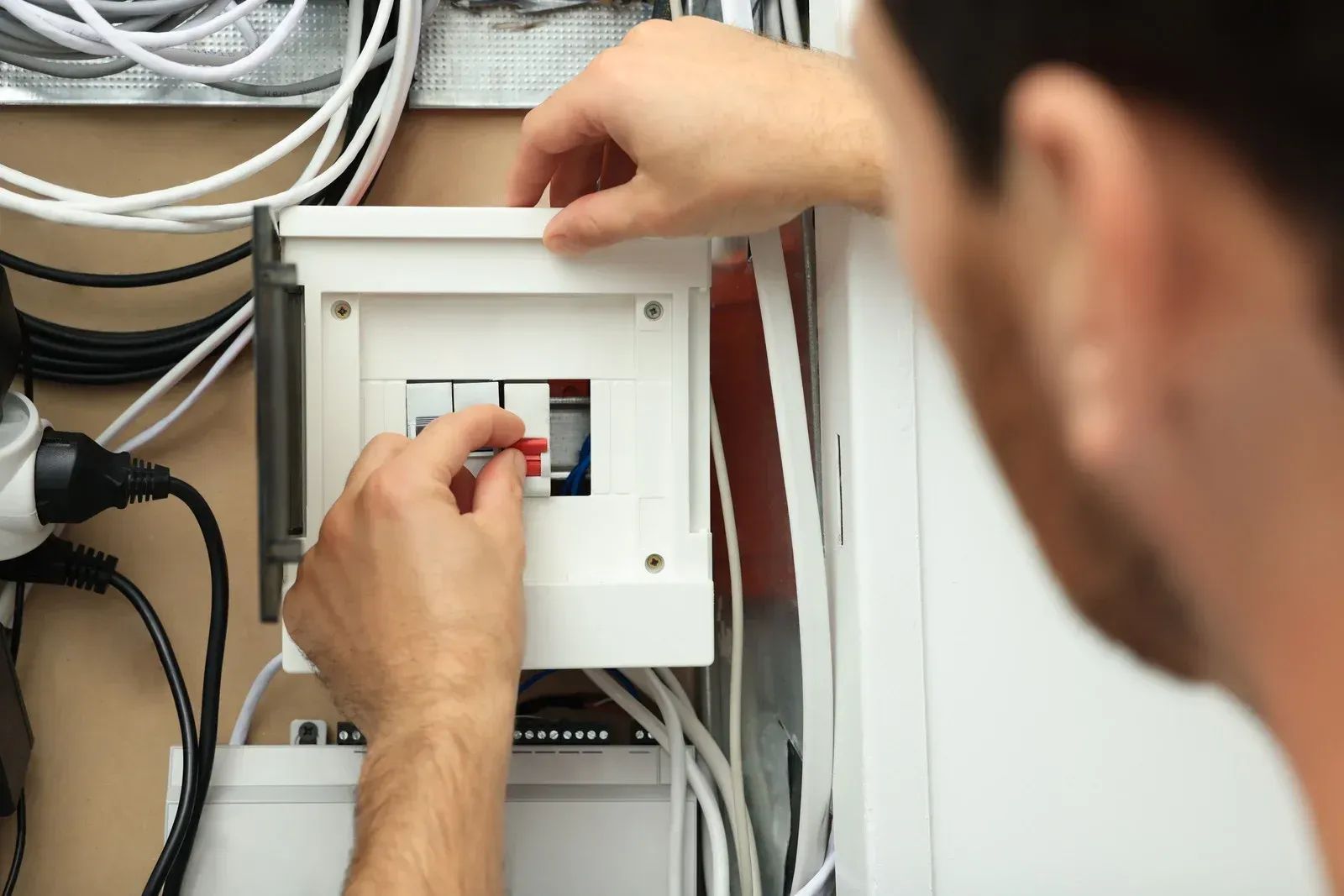
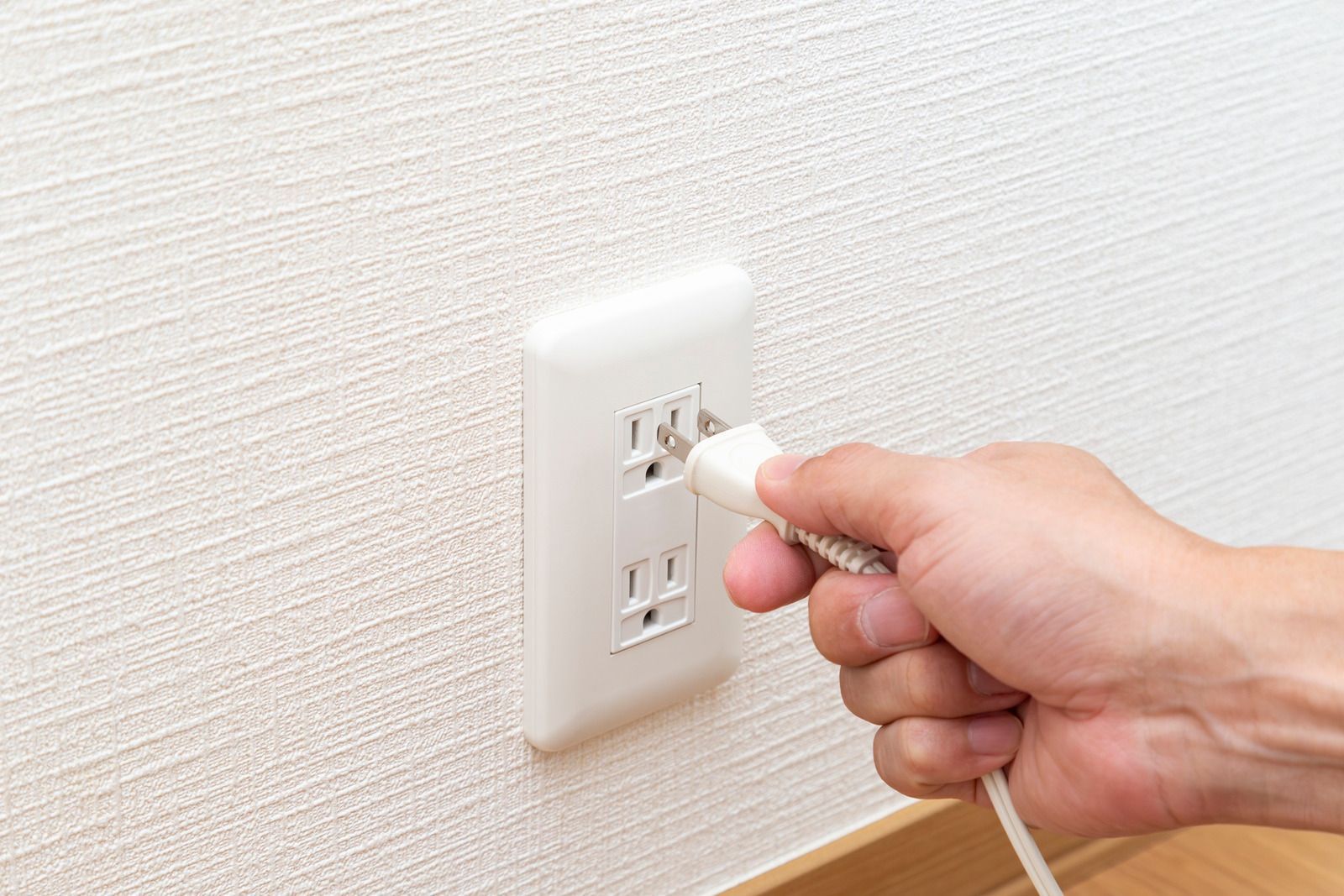
Most new construction homes come equipped with a standard electrical package designed to meet local building codes and provide reliable everyday functionality. These packages generally include a main electrical panel, basic wiring, standard switches, traditional outlets, smoke detectors, and conventional lighting fixtures in key living areas.
Builders often design standard electrical systems around average household usage patterns. Bedrooms, kitchens, bathrooms, and living spaces receive the minimum number of outlets required by code. Lighting is typically functional rather than decorative, focusing on general illumination rather than customized lighting experiences.
Benefits of Standard Electrical Installations
Standard electrical features offer several advantages for homeowners seeking affordability and practicality. Because these systems are included in the base construction cost, they help keep the overall project budget manageable.
Additional benefits include:
- Compliance with all applicable electrical codes
- Reliable operation for everyday household needs
- Lower upfront construction costs
- Simpler maintenance requirements
- Faster construction timelines
For many homeowners, especially those working within strict budgets, standard electrical systems provide sufficient functionality without unnecessary expenses
Potential Limitations of Standard Packages
Although standard systems satisfy basic requirements, they may not accommodate future technological demands. Homeowners often discover after moving in that additional outlets, enhanced lighting controls, or smart home capabilities would improve daily convenience.
Retrofitting electrical upgrades after construction is typically more expensive and disruptive than installing them during the initial build phase.
Exploring Premium Electrical Features and Upgrades
What Makes an Electrical Feature Premium?
Premium electrical features go beyond code minimums to improve functionality, convenience, energy efficiency, and home value. These upgrades are designed to support modern lifestyles and emerging technologies while offering greater customization opportunities.
Premium options may include advanced lighting systems, smart controls, enhanced wiring infrastructure, dedicated circuits, specialty outlets, and integrated automation systems.
Smart Home Integration
One of the most popular premium upgrades involves smart home technology. Homeowners increasingly seek connected systems that allow remote management of lighting, security, climate control, and entertainment systems.
Examples include:
- Smart switches and dimmers
- Voice-controlled lighting
- Automated scheduling systems
- Remote monitoring capabilities
- Integrated home automation hubs
For example, a homeowner traveling away from home can adjust lighting schedules, monitor security systems, and manage energy usage directly from a smartphone application.
Enhanced Lighting Design
Premium electrical packages frequently include advanced lighting designs that improve both aesthetics and functionality.
Popular upgrades include:
Recessed Lighting
Recessed fixtures create clean, modern appearances while delivering even illumination throughout living spaces.
Under-Cabinet Lighting
Kitchen workspaces benefit from improved visibility and enhanced visual appeal.
Accent Lighting
Architectural features, artwork, and outdoor landscapes can be highlighted using strategically placed lighting systems.
Dimmer Controls
Dimmer switches allow homeowners to adjust lighting intensity according to specific activities and preferences.
These upgrades contribute to a more personalized and visually appealing environment.
Comparing Cost Versus Long-Term Value
Initial Investment Considerations
One of the most significant differences between standard and premium electrical features involves upfront costs. Premium upgrades increase construction expenses because of additional materials, labor requirements, and specialized equipment.
Homeowners must carefully evaluate which upgrades provide meaningful value based on lifestyle preferences and future plans. Not every premium feature delivers the same return on investment.
For example, installing additional outlets in strategic locations may provide greater everyday value than investing heavily in highly specialized automation systems that receive limited use.
Long-Term Financial Benefits
While premium features increase initial costs, many provide substantial long-term benefits.
Examples include:
- Reduced energy consumption
- Lower utility expenses
- Improved home resale value
- Greater adaptability to future technology
- Reduced need for future renovations
Energy-efficient lighting systems, occupancy sensors, and smart controls can generate measurable savings over time. Similarly, homes equipped with modern electrical infrastructure often attract buyers seeking move-in-ready properties with advanced capabilities.
Avoiding Costly Future Modifications
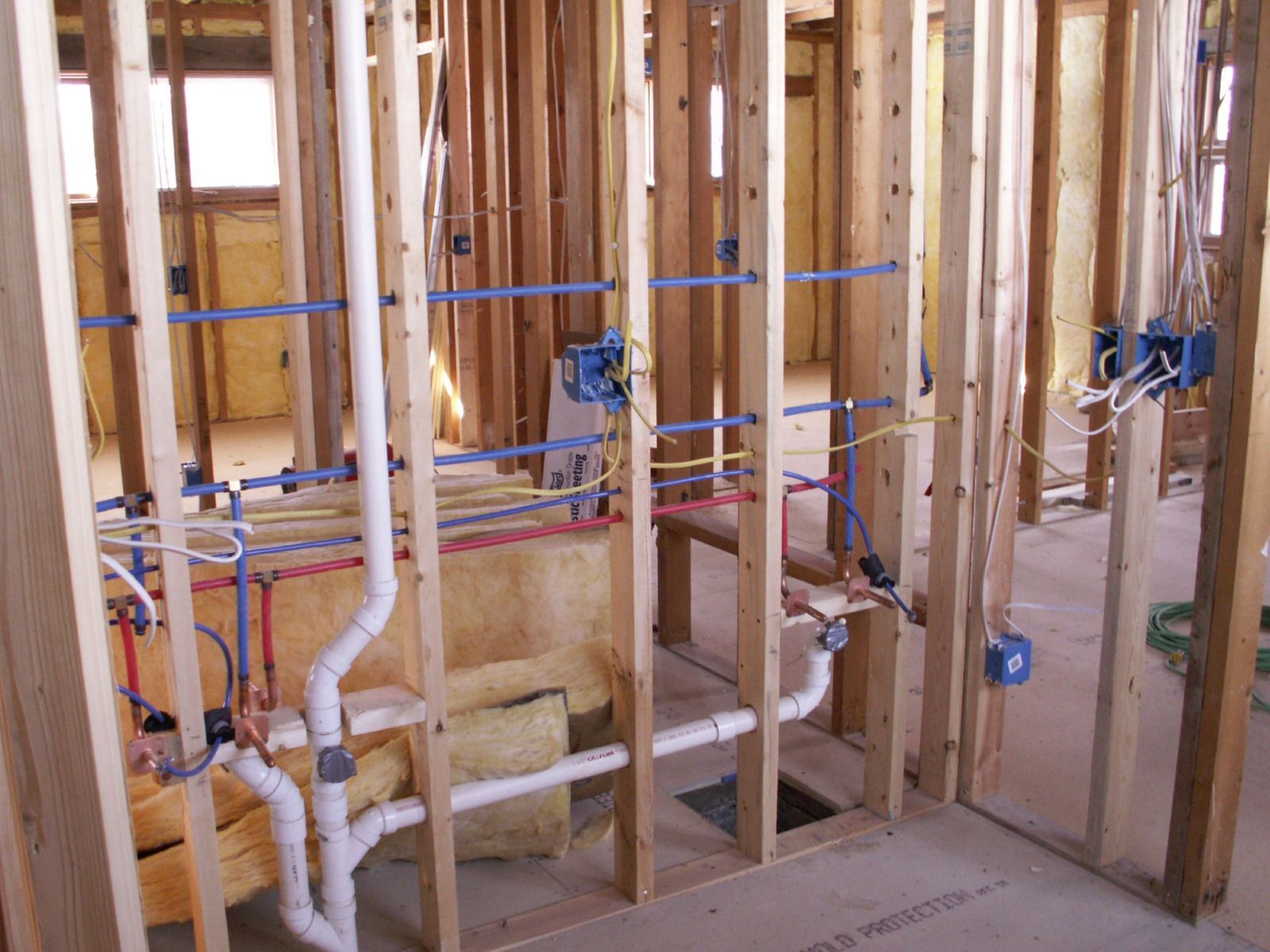
A common mistake in new construction involves postponing electrical upgrades until after occupancy. Running new wiring, installing additional circuits, or modifying walls later can significantly increase project costs.
Planning for future needs during construction often represents the most economical approach. Even if certain technologies are not immediately installed, preparing the infrastructure can simplify future upgrades.
Energy Efficiency and Modern Electrical Design
The Growing Importance of Energy-Conscious Homes
Energy efficiency has become a major priority in residential construction. Homeowners increasingly seek ways to reduce utility expenses while minimizing environmental impact.
Premium electrical features frequently support these objectives through advanced technologies and smarter energy management solutions.
LED Lighting Systems
LED lighting has become a preferred option for modern homes due to its superior efficiency and longevity.
Advantages include:
- Lower energy consumption
- Longer operational lifespan
- Reduced maintenance requirements
- Improved lighting quality
- Greater design flexibility
Compared to traditional lighting options, LED systems provide significant savings throughout the life of the home.
Smart Energy Monitoring
Advanced monitoring systems allow homeowners to track electricity usage in real time. These systems provide valuable insights into consumption patterns and identify opportunities for improved efficiency.
For example, homeowners may discover appliances or devices consuming unnecessary energy and adjust usage habits accordingly.
Electric Vehicle Charging Preparation
As electric vehicle ownership continues to increase, many homeowners are choosing to install dedicated charging circuits during construction.
Even if an electric vehicle is not currently owned, preparing the electrical infrastructure during construction provides future flexibility and avoids expensive modifications later.
Safety, Convenience, and Future-Proofing Your Home
Enhanced Safety Features
Premium electrical upgrades often include advanced safety technologies that exceed minimum code requirements.
Examples include:
Whole-Home Surge Protection
Sensitive electronics and appliances receive protection against voltage spikes caused by storms, utility fluctuations, or electrical disturbances.
Arc Fault and Ground Fault Protection
Enhanced protective devices help reduce fire risks and electrical shock hazards.
Backup Power Integration
Many homeowners choose to prepare electrical systems for future generator or battery backup installations.
These features contribute to greater peace of mind and improved household protection.
Improved Everyday Convenience
Premium electrical planning focuses on how homeowners actually use living spaces.
Common convenience upgrades include:
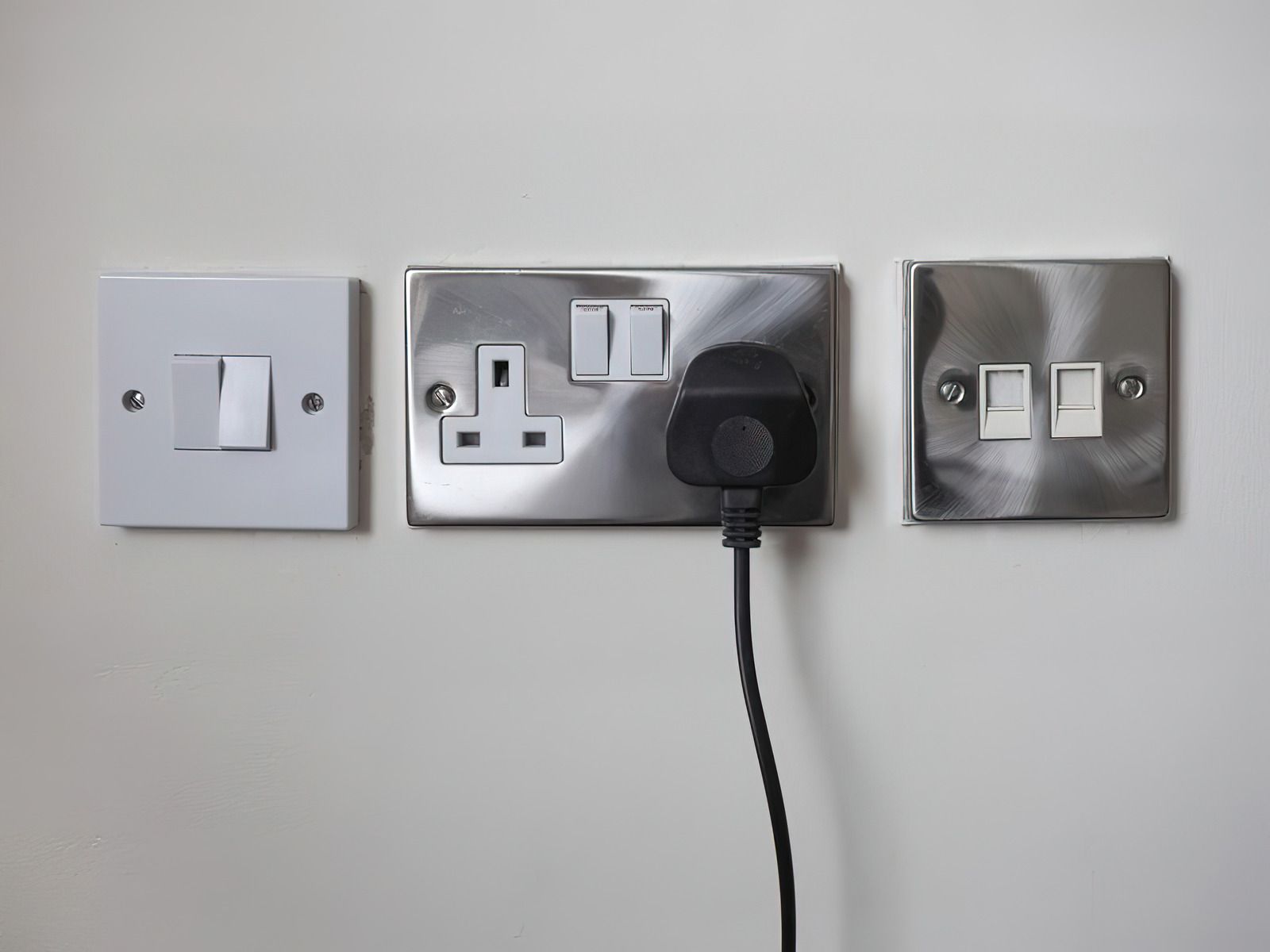
- USB charging outlets
- Dedicated home office circuits
- Additional kitchen outlets
- Outdoor entertainment wiring
- Structured media panels
For example, remote work has increased demand for dedicated office spaces with reliable power and connectivity infrastructure.
Future-Proofing Electrical Systems
Technology evolves rapidly, making future-proofing an important consideration during new construction.
Future-focused electrical planning may include:
- Larger electrical panels
- Conduit pathways for future wiring
- Enhanced networking infrastructure
- Additional circuit capacity
- Smart home compatibility
Preparing for future needs during construction allows homeowners to adapt more easily as technology changes.
Choosing the Right Electrical Features for Your Home
Assessing Lifestyle Requirements
The best electrical package depends on individual household needs. Families who frequently entertain may prioritize enhanced lighting and outdoor electrical features. Remote professionals may focus on office infrastructure and network support.
Understanding daily habits helps identify upgrades that will provide meaningful benefits.
Balancing Budget and Priorities
Not every premium feature is necessary for every home. Homeowners should evaluate potential upgrades based on practical value, long-term benefits, and budget limitations.
A useful strategy involves categorizing upgrades into three groups:
- Essential improvements
- Convenience enhancements
- Luxury additions
This approach helps prioritize investments while maintaining financial control.
Working With Qualified Electrical Professionals
Electrical planning should involve experienced professionals who understand current building standards, emerging technologies, and long-term performance considerations.
Professional guidance helps homeowners identify opportunities, avoid common mistakes, and develop electrical systems that support both current and future needs.
Choose Experienced Electrical Professionals for New Construction Success
When planning electrical systems for a new construction home, partnering with experienced professionals can make a significant difference in both performance and long-term satisfaction. At Mint Electric in Mapleton, Utah, we bring 10 years of industry experience helping homeowners make informed decisions about electrical installations, upgrades, and custom solutions. Our approach focuses on understanding each project's unique needs while delivering workmanship that supports safety, efficiency, and lasting value.
From evaluating standard electrical packages to designing premium electrical features that support modern lifestyles, we help homeowners navigate every stage of the decision-making process. Whether the goal is improving energy efficiency, integrating smart home technology, preparing for future expansion, or creating a more functional living environment, our commitment remains centered on quality and reliability. We understand that electrical infrastructure is one of the most important investments within any new home, which is why we emphasize careful planning and professional execution. Through years of hands-on experience serving residential clients, we have built a reputation for dependable service, attention to detail, and solutions designed to meet both current and future needs. When homeowners seek trusted guidance for
new construction
electrical planning, we provide the expertise and professionalism needed to achieve lasting results.